














UAE-based Azizi Developments said it has signed a non-binding MoU with Hyprlift, a US-based innovator in advanced vertical transportation systems, to explore the potential application of ropeless elevator systems within selected Dubai developments.
Under the deal, the two parties will undertake technical studies, integration planning, and feasibility assessments to evaluate end-to-end requirements from design and installation through testing, commissioning, operations, and ongoing maintenance.
Headquartered in California, Hyprlift is a specialist in the development of self-propelled, modular, ropeless elevator systems that introduce an alternative approach to vertical transportation, offering greater architectural flexibility, multi-directional movement, increased transport capacity, and more efficient use of building cores.
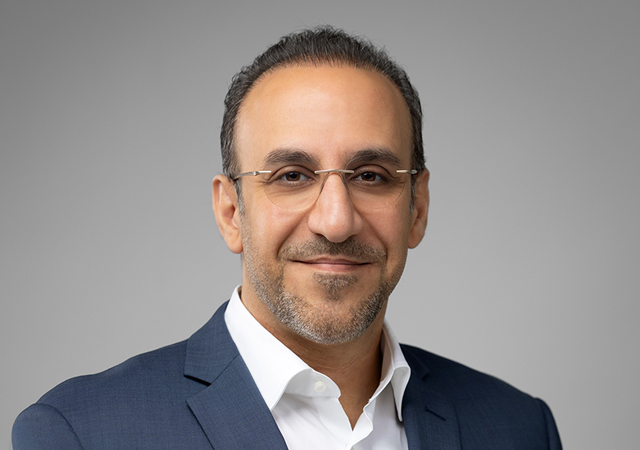
On the partnership, Group CEO Farhad Azizi said: "Innovation is central to our approach. Through this collaboration with Hyprlift, we are exploring elevator systems that could improve performance and comfort, while unlocking new possibilities in building design."
"This framework supports our focus on infrastructure-led development and long-term value," he stated.
Hyprlift Founder and CEO James Hutchinson said this MoU reflects a shared ambition to rethink vertical mobility and place advanced technology at the heart of modern buildings.
"Azizi Developments’ interest in our self-propelled, ropeless elevator systems signals a growing recognition that the future of intelligent buildings depends on reimagining how people move within them," he stated.
Azizi said it currently has around 150,000 units under construction, valued at several tens of billions of US dollars.
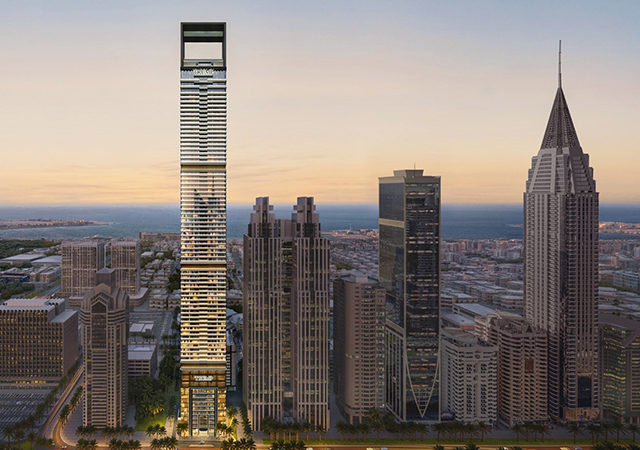
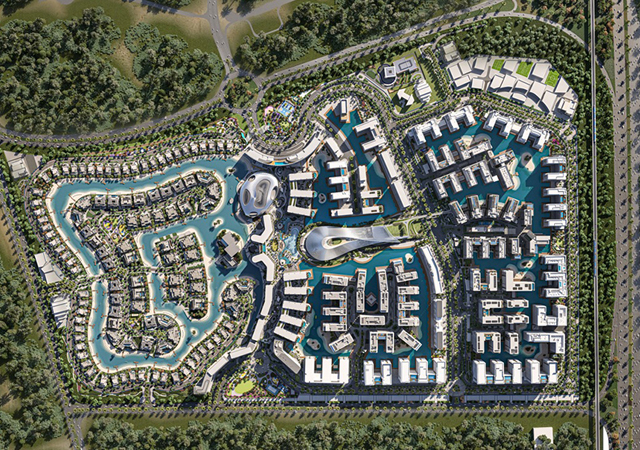
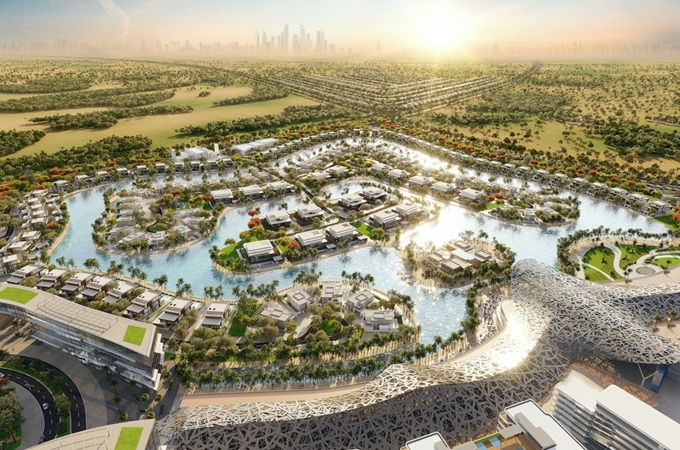
The company is renowned for developing the world’s second tallest skyscraper, Burj Azizi, as well as the master planned communities of Azizi Riviera, Azizi Venice, and Azizi Milan in Dubai.
The initiative reflects Azizi Developments’ ongoing commitment to assessing new building technologies that strengthen operational efficiency, optimize space use, and improve the end-user experience across its growing portfolio of residential and mixed-use developments, he added.