




















The World Cement Association (WCA) has called for greater global collaboration to navigate industry transformation.
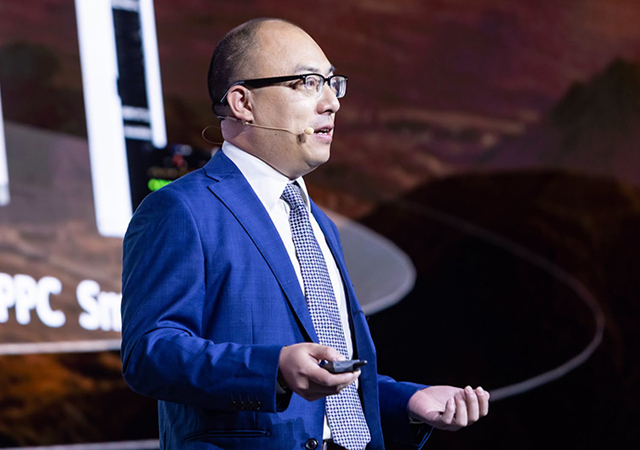
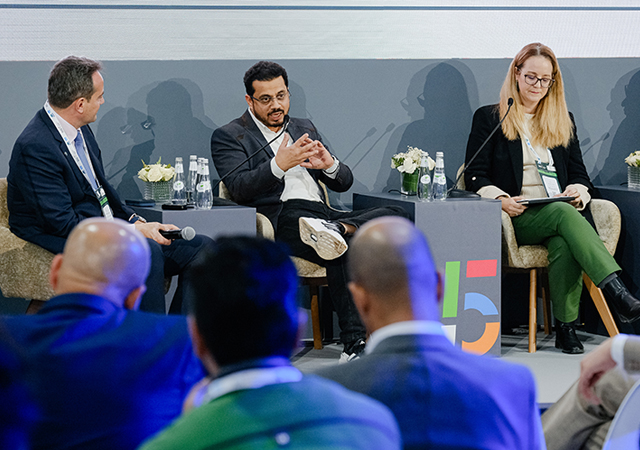
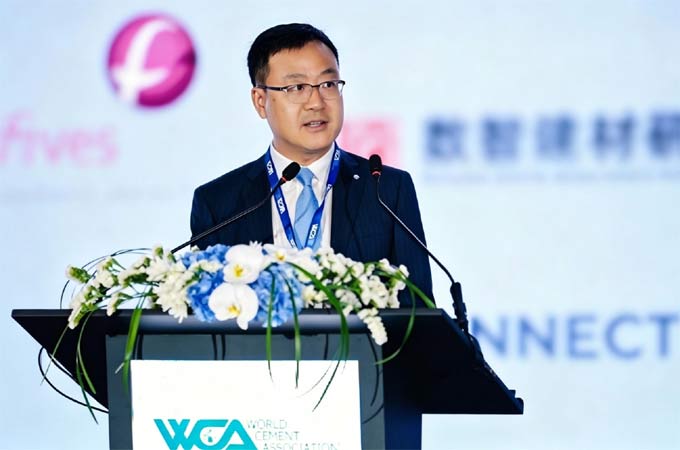
Speaking at the WCA Annual Conference (April 19–22) at The Athenee Hotel in Bangkok, WCA President Wei Rushan highlighted the mounting challenges facing the industry, including geopolitical instability, climate disruption, and intensifying technological competition.
He stressed the importance of aligning technological advancement with sustainability goals while fostering inclusive and cooperative growth across the industry.
Wei outlined six key pillars driving transformation:
* Development of low-carbon cement products
* Implications of carbon regulations
* Wider use of alternative fuels
* Deeper integration into the circular economy
* Adoption of digital and intelligent technologies
* Lightweighting of cement equipment
“Tough times breed strength; strength creates stability; stability nurtures complacency; complacency returns to hard times…Our only choice is to face challenges head-on…march forward with resolved, passion, and the courage to innovate – to strive and thrive amid adversity,” he said.
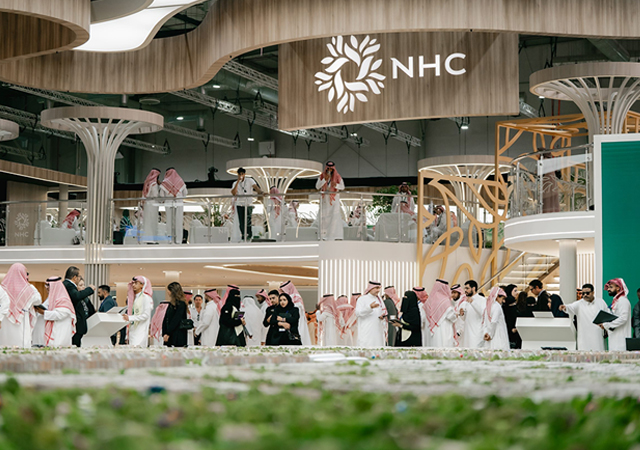
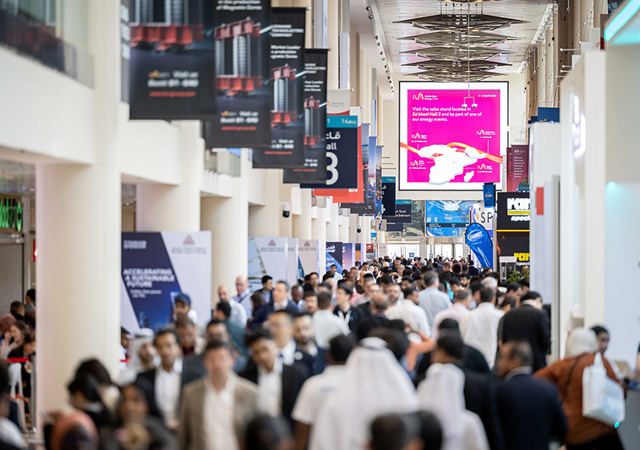
The WCA Annual Conference brought together global industry leaders under the theme “Shaping a Sustainable Future through Digitization, Innovation and Performance.”
Referencing the latest IMF outlook, Wei noted that global growth is expected to slow while inflationary pressures persist, underscoring the fragile macroeconomic environment in which the industry operates.
Shifting industry landscape
Wei emphasised that the global cement industry is undergoing a significant structural shift. While total production declined slightly in 2025 to 3.8 billion tons, international trade expanded, reflecting increasing globalization of supply chains. He pointed out that Asia, particularly China and India, continues to dominate the sector, with the centre of gravity firmly anchored in the Asia-Pacific region.
At the same time, persistent overcapacity remains a critical issue, with global capacity reaching 6.8 billion tons. Wei urged industry players to remain disciplined and rational in the face of market volatility.
Post-conflict reconstruction
Addressing geopolitical developments, Wei noted that ongoing conflicts and subsequent reconstruction efforts, specifically in the Middle East, are expected to drive significant short-term demand for cement. However, he cautioned that such demand spikes are not reflective of long-term market fundamentals.