





















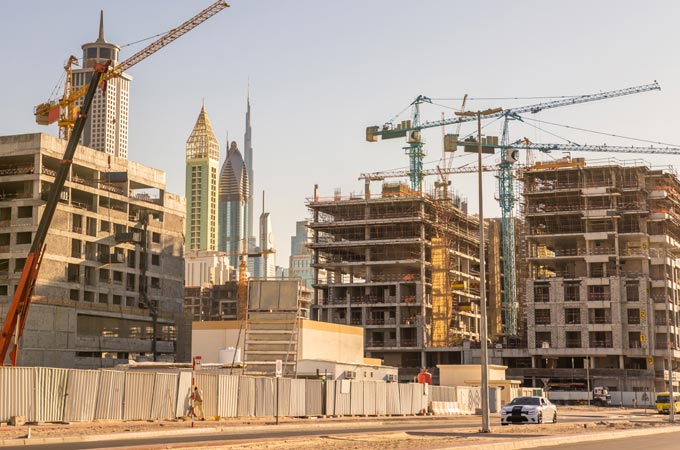
Gulf construction remains resilient despite the Middle East conflict, but real estate developers are beginning to feel the impact as weaker investor sentiment and slowing sales weigh on the sector, S&P Global Ratings said.
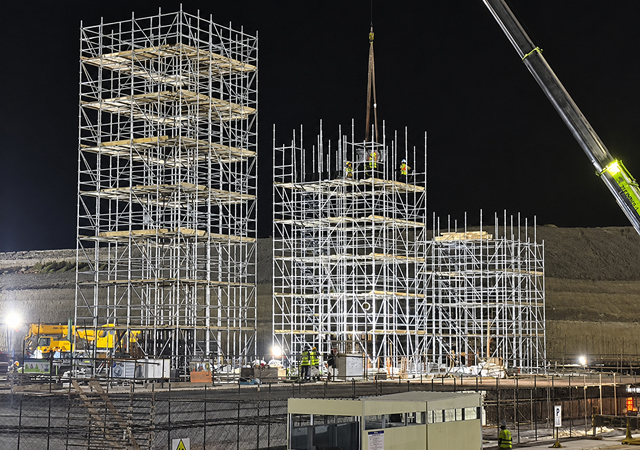
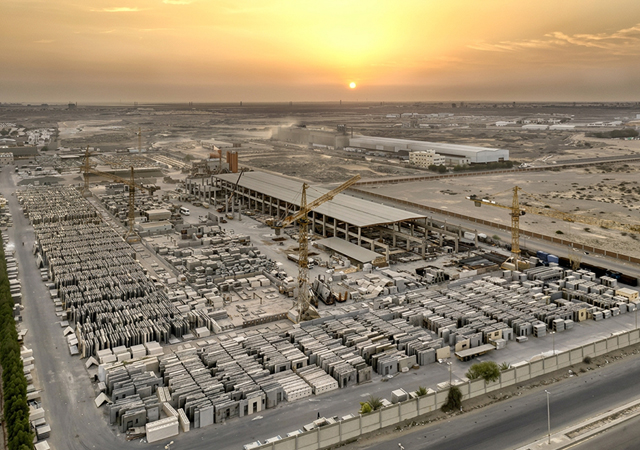
The ratings agency said strong government infrastructure spending and ongoing megaprojects continue to support construction activity across the region, even as rising material costs squeeze contractors' margins. By contrast, the full impact of the conflict on real estate is only now beginning to emerge, particularly in markets that rely heavily on expatriate residents and foreign investment.
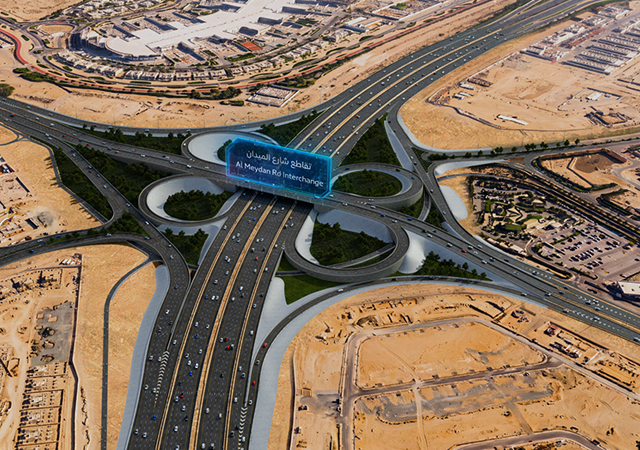
The UAE currently has 628 confirmed construction projects worth $138 billion, while Saudi Arabia has 421 projects valued at $168 billion, underscoring the resilience of the sector despite supply chain disruptions.
However, construction costs are expected to rise sharply this year. According to S&P, citing Matthews' Q3 2026 Construction Market Update, building costs in the UAE are projected to increase by 7% to 12% in 2026, compared with 1.8% last year, while costs in Saudi Arabia are expected to climb 5% to 8%, up from 2.1% in 2025.
The higher costs are expected to compress margins, particularly for contractors working under fixed-price contracts. Even so, S&P believes project owners, including governments and developers, are likely to renegotiate contracts rather than risk costly project delays or contractor replacements.
The outlook is less favourable for real estate developers
S&P said Dubai and Qatar are particularly exposed because expatriates account for 80% to 90% of their populations and both markets depend heavily on foreign investment.
Dubai's residential market has already begun to slow. Average monthly property transactions fell to 12,887 between March and June 2026, from 17,198 in the first two months of the year, according to the Dubai Land Department.
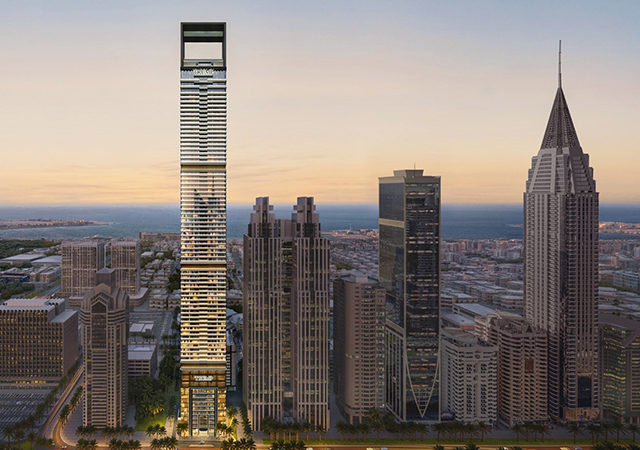
Although prices have so far recorded only modest declines, S&P expects further downward pressure as new supply enters the market. Around 20% more residential units are due to be completed in Dubai by 2028, according to JLL, a trend that could reduce developers' presales while prompting more investors to sell properties in the secondary market.
In contrast, Abu Dhabi's more limited supply pipeline is expected to support prices, while Saudi Arabia and Oman should prove more resilient because their housing markets rely more on local buyers than expatriates.
The ratings agency also warned that luxury real estate remains particularly vulnerable to shifts in investor sentiment because of its dependence on foreign capital, although Dubai continued to post record sales of homes priced above $10 million during the first half of 2026.
In a downside scenario of prolonged conflict, S&P said rising construction costs, project delays, weaker investor confidence and expatriate departures could put further pressure on developers and property prices across the GCC, with the UAE and Qatar likely to be among the most affected. - TradeArabia News Service