






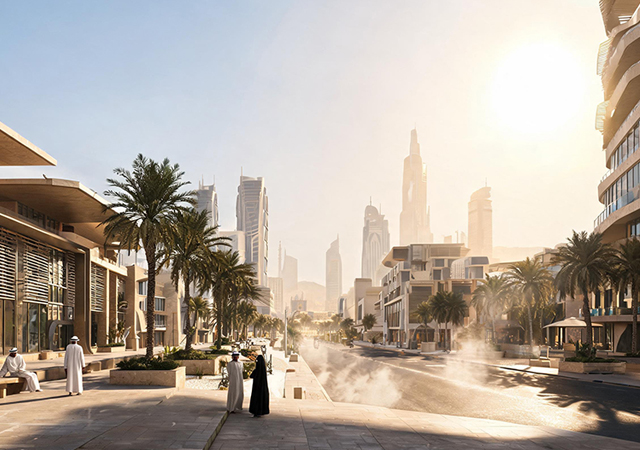








Dubai has announced new transformative strategies and projects worth AED18 billion ($4.9 billion), designed to enhance quality of life and shape a better future for its residents.
These projects cover several key sectors including infrastructure, culture, trade, investment and urban development, as the emirate seeks to support long-term economic growth and improve quality of life, reported state news agency Wam.
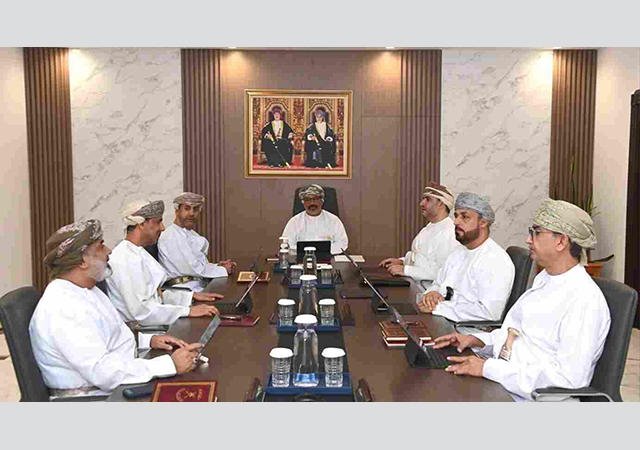
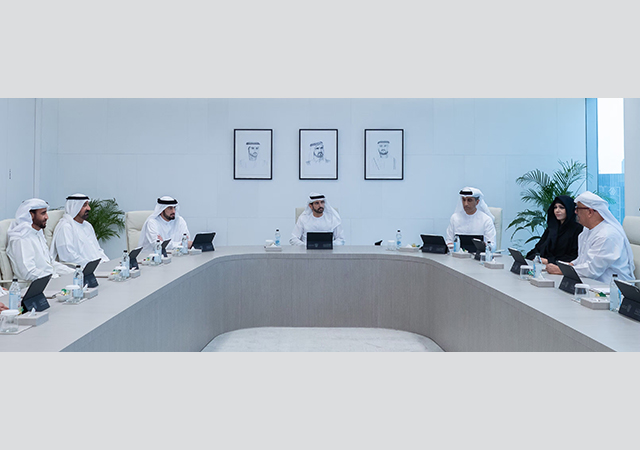
It was approved by HH Sheikh Hamdan bin Mohammed bin Rashid Al Maktoum, Crown Prince of Dubai, Deputy Prime Minister, Minister of Defence, and Chairman of The Executive Council of Dubai, during the meeting of The Executive Council held at Emirates Towers.
Chairing the meeting, Sheikh Hamdan said Dubai, which has become synonymous with ambition and achievement, backs its words with action and continues to write new chapters of success.
“We are building a city that does not pause. We plan for the future while delivering for the present, ensuring that every step forward is anchored in progress and purpose,” he stated.
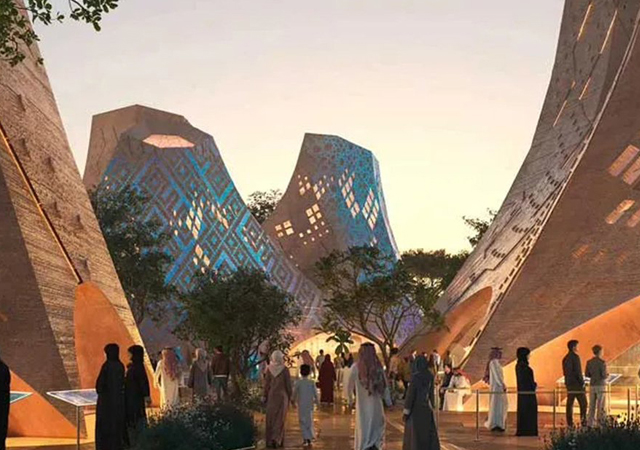
“Dubai will embark on an ambitious new path that will support the Dubai Plan 2033 and the Dubai Social Agenda 33, making the city a global cultural reference, rooted in the UAE’s heritage, pioneering innovation and talent,” he added.
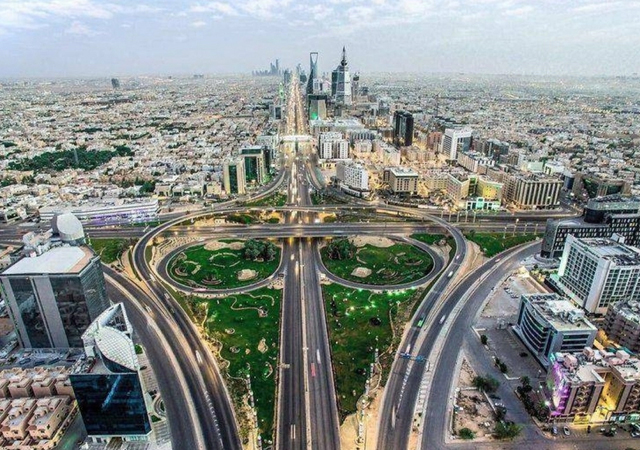
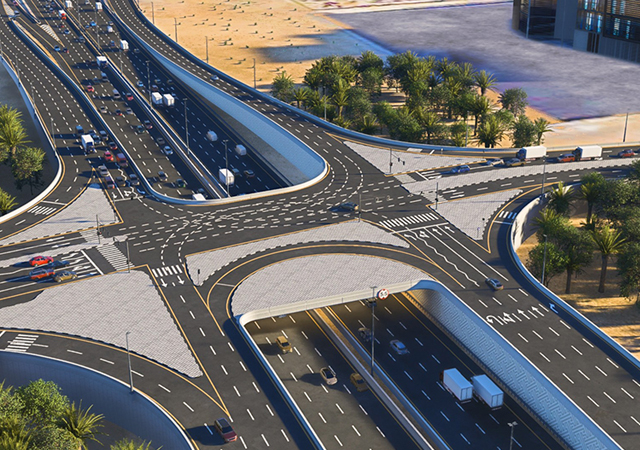
Among the largest infrastructure projects which received the go-ahead is the First Al Khail Street Development Plan, which will introduce a strategic corridor parallel to Sheikh Zayed Road, featuring a 15-km-long elevated carriageway with three lanes in each direction.
Construction is scheduled to begin in the third quarter of 2027 and is due to be completed by the fourth quarter of 2030.
The project will serve 2.6 million people, provide access to Al Barsha, Al Quoz, Business Bay, and Meydan, and reduce travel time on Sheikh Zayed Road by 51 per cent during peak hours. It will also enhance road network efficiency and increase capacity by approximately 9,000 vehicles per hour, it added.