










































As cities around the world embrace artificial intelligence, connected infrastructure and data-driven services, Bahrain is positioning its digital government ecosystem as the foundation for the next generation of smart cities, said a top government official at the recently-concluded Bahrain Smart Cities Summit 2026.
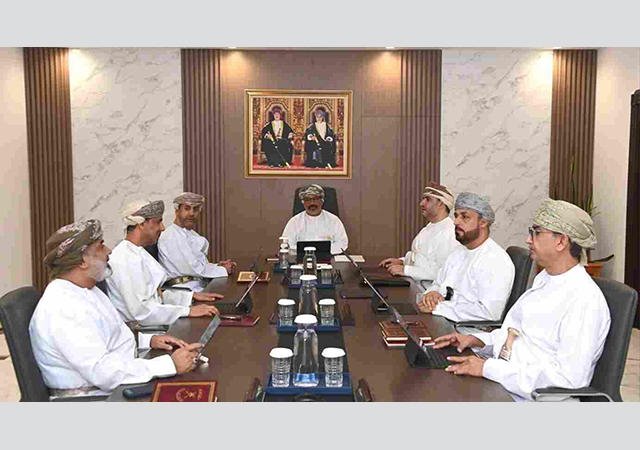
Speaking at the summit held under the theme ‘City Visions: Where Sustainability, Innovation and Smart Transformation Meet’, Ali Abdulaziz Al Janahi, Deputy Chief Executive for eTransformation at the Information & eGovernment Authority (iGA), outlined how years of investment in digital infrastructure are enabling the kingdom's broader smart city ambitions.
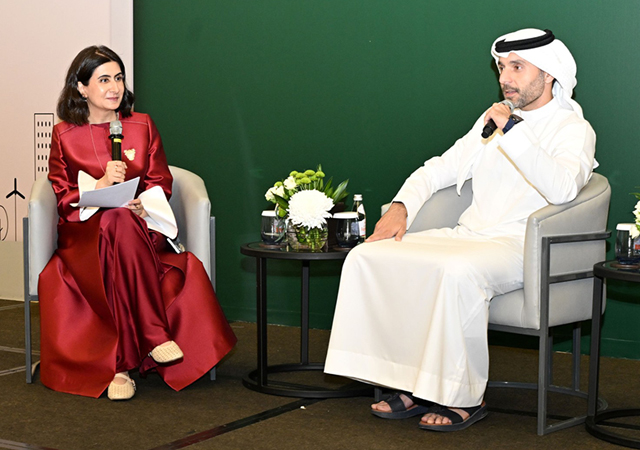
Participating in a panel discussion titled ‘Beyond Digital Government: Building an Integrated National Digital Ecosystem’, Al Janahi said Bahrain's digital transformation has evolved beyond delivering online services to creating an interconnected ecosystem where government entities, citizens and businesses can interact through unified digital platforms.
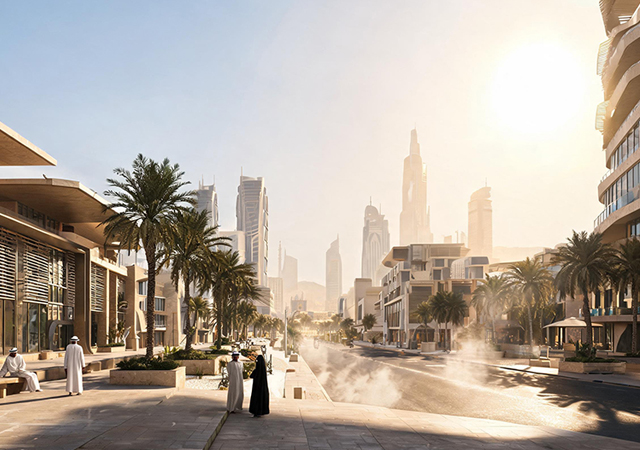
At the heart of Bahrain's smart city strategy is an integrated digital infrastructure that connects government services, data and institutions.
Rather than viewing digital government as a standalone objective, Bahrain sees it as a platform for smarter urban development, he noted. Integrated platforms are increasingly becoming a hallmark of smart cities, enabling governments to deliver services more efficiently while generating data that can inform urban planning, he said.
Looking ahead, Bahrain plans to continue investing in digital infrastructure, develop national technology talent and deepen collaboration between the public and private sectors to support the growth of smart cities and the digital economy, remarked Al Janahi.
“For Bahrain, the smart city is no longer defined solely by connected technologies. Instead, it is increasingly built on an integrated digital ecosystem that brings together government services, data, AI and citizen-focused design to create more responsive, efficient and resilient urban environments,” he added.