






























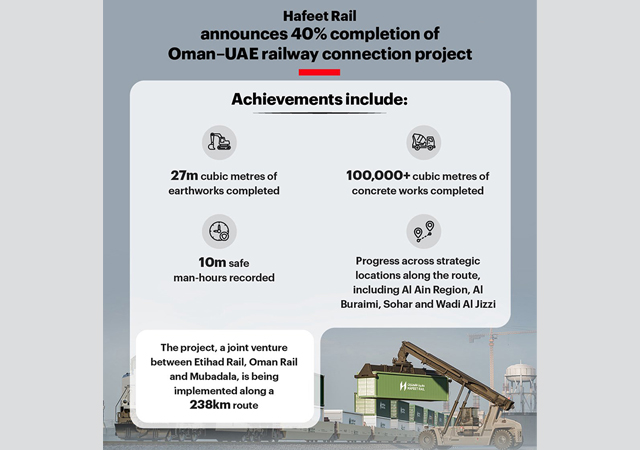
Construction of the Hafeet Rail, the first cross-border railway linking the UAE and Oman, has crossed the 40 per cent completion mark, as the project shifts into heavy civil engineering works including mountain tunnelling and major structural construction.
The 238-km line, estimated to cost around $2.5 billion to $3 billion, will connect Oman’s Sohar Port with the UAE’s national rail network near Al Ain in Abu Dhabi emirate, forming a key freight and future passenger corridor.
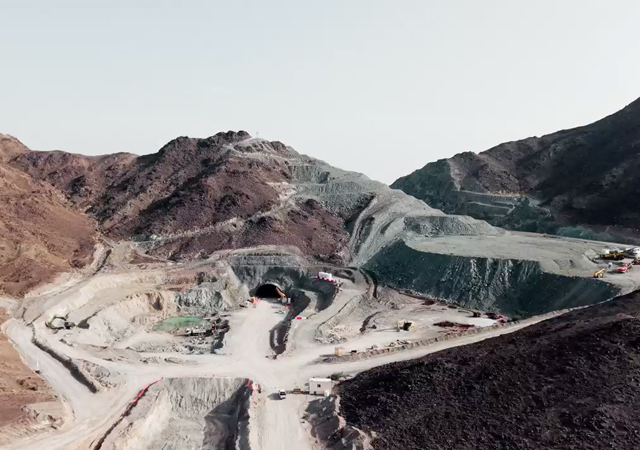
Hafeet Rail, a joint venture between Etihad Rail, Oman Rail and Mubadala Investment Company, reported the milestone in April. The project features significant civil works, including approximately 2,500 m of tunnels through the mountains, 36 viaducts, 21 overbridges, 39 underpasses, and 881 culverts. It incorporates advanced systems such as the European Train Control System (ETCS Level 2) signalling and a fibre-optic communications backbone designed for reliability in harsh environmental conditions.
Construction Progress
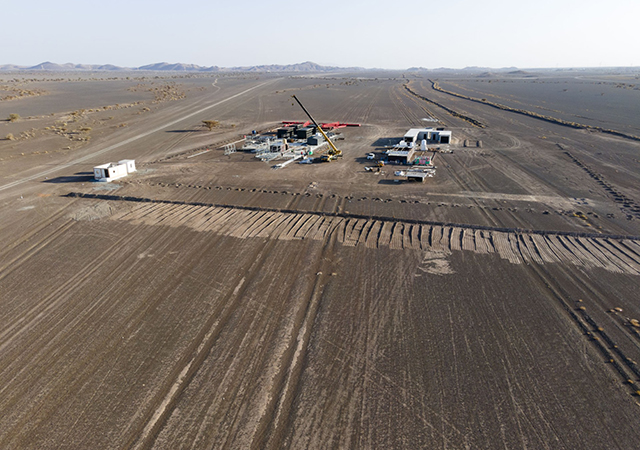
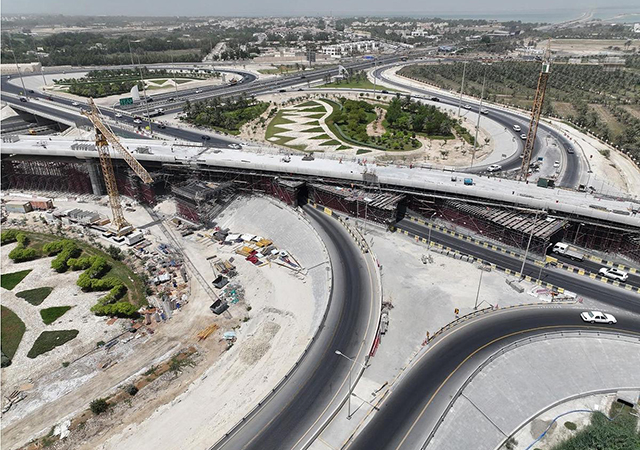
Construction is advancing rapidly across key strategic locations along the route, including Al Ain in the UAE, and Al Buraimi, Sohar, and Wadi Al Jizzi in Oman. The corridor spans diverse landscapes – from urban and industrial zones to mountainous terrain and deep wadis – which require specialised engineering solutions, such as large-scale excavation, the construction of major bridges and tunnels, and the implementation of integrated flood protection systems to ensure safe, sustainable, and long-term operations.
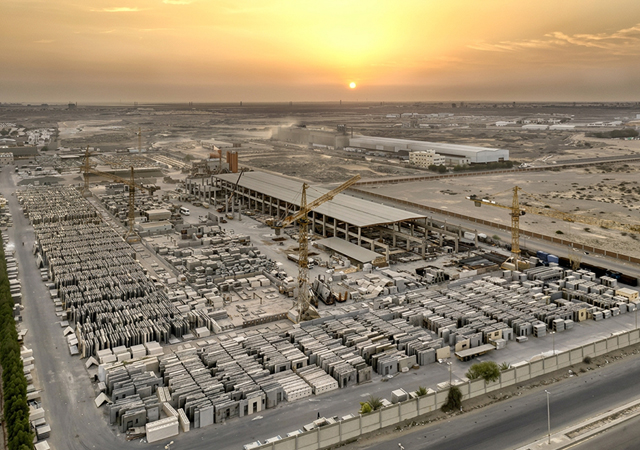
More than 27 million cu m of earthworks have been completed to date, alongside over 100,000 cu m of concrete poured. Tunnel excavation is under way through sections of the Hajar Mountains, marking the commencement of work on the more complex phases of the project.
In addition, works continue on key facilities and infrastructure in Sohar and Al Buraimi, supporting the project’s future role in connecting ports, industrial zones, and logistics hubs, and enabling efficient cross-border freight movement within a fully integrated regional transport network.
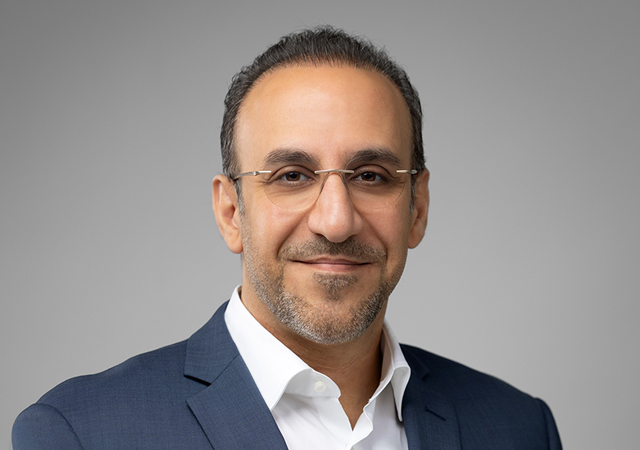
Ahmed AlMusawa AlHashemi, CEO of Hafeet Rail, said: “Reaching the 40 per cent completion milestone reflects the strong foundations of this project. As we move into the next phase of delivery, our focus remains on maintaining momentum, strengthening collaboration among partners, and ensuring the project delivers long-term value in line with the highest international standards.
“From a health and safety perspective, we achieved 10 million safe man-hours without any major injuries, reflecting the strength of our safety systems, effective risk management practices, and the deeply embedded safety culture across all our project sites.”
In a LinkedIn post last month, Eng Zahir Al Abri, Assistant Project Manager at Hafeet Rail, provides a behind-the-scenes look at tunnel excavation works and progress across the Hafeet Rail project.
Tunnel works, which utilise the New Austrian Tunnelling Method (NATM), continue through precise excavation, controlled operations, and ongoing monitoring across the project’s tunnels.
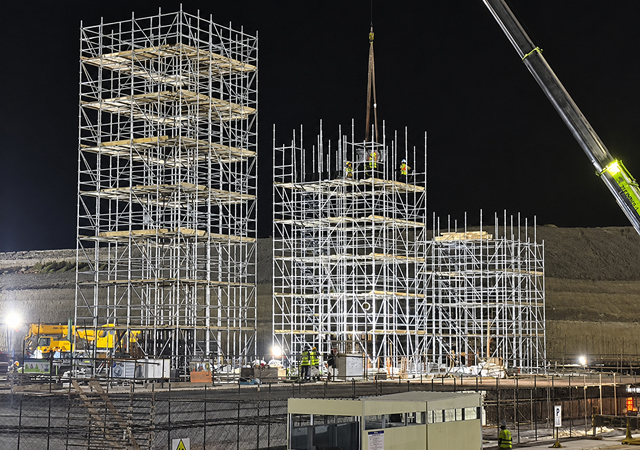
Some 80 structures are in various stages of construction. Crews have also installed around 900 concrete piles and 130 box culverts.
Preparatory and civil works accelerated after a major design-and-build contract was awarded in 2024. The line is designed to support freight operations initially, with potential for passenger services operating at speeds up to 200 km/h.
The railway systems, signalling, control, and communications technologies being deployed meet the highest internationally recognised standards, ensuring safety and seamless interoperability between Omani and UAE networks while enhancing operational efficiency. These advanced systems enable reduced train headways, increased operational capacity, and improved automation.
The project has attracted international contractors and suppliers, including signalling and systems packages involving Siemens Mobility and Hassan Allam Construction, and locomotive procurement from Progress Rail. Siemens Mobility and Hassan Allam Construction are delivering the design, build and integration of the ETCS Level 2 signalling, telecom and power supply systems over the Abu Dhabi-Sohar railway link. The signalling solutions are state-of-the-art and desert-proof.
Strategic Importance
The project is shaping an integrated logistics network that strengthens connectivity between the UAE and Oman.
Upon completion, Hafeet Rail will link more than 12 passenger stations and cities across the UAE and Oman while connecting five major ports and over 15 integrated freight facilities. Freight trains will operate at speeds of up to 120 km/h. Passenger services are planned for speeds of up to 200 km/h, with trainsets offering a seating capacity of 350 to 400 passengers.
Once operational, the railway is expected to enhance trade efficiency between the two countries, improve supply chain connectivity to Sohar Port, and form part of the wider GCC rail network ambitions. It will reduce road transport reliance, lower logistics costs and support economic diversification goals under Oman Vision 2040 and UAE national plans.
The travel time implications are dramatic. The Abu Dhabi to Sohar journey, which currently takes around three hours and 25 minutes by road, would be reduced to one hour and 40 minutes by rail. The Sohar to Al Ain leg would fall from 87 minutes to 47 minutes, with passenger trains running at up to 200 km per hour.
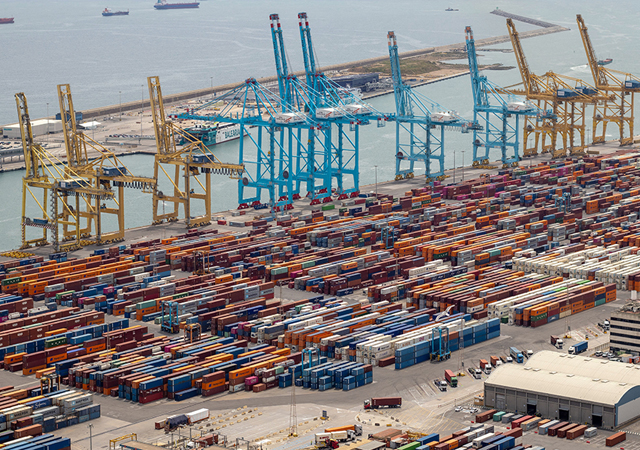
Freight ambitions are equally striking. The line is engineered to handle 15,000-tonne freight trains. In October 2025, Abu Dhabi Ports Group subsidiary Noatum Logistics signed an agreement with Hafeet Rail at the Global Rail 2025 exhibition to launch a dedicated daily freight service of seven container trains per week, each with a capacity of 276 TEUs, equating to an annual throughput of 193,200 TEUs once the line opens.
The project supports economic diversification, advances the transport and logistics sector, and delivers modern, sustainable infrastructure. It also reduces reliance on conventional road transport, lowers emissions, and enhances regional integration, reflecting the strength of bilateral relations and a shared vision for a more connected and prosperous future.
No firm completion or operational launch date has been announced. Hafeet Rail officials have said they are focused on maintaining momentum while finalising the timeline.
Hafeet Rail is regarded as a milestone for regional infrastructure integration, though challenges typical of cross-border desert and mountainous terrain – such as extreme weather and geotechnical complexities – continue to require close coordination between the Emirati and Omani teams.