




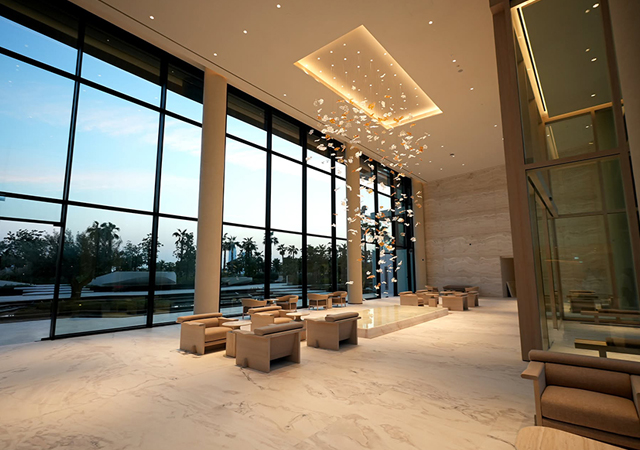
As the construction sector intensifies efforts to reduce embodied carbon and meet increasingly stringent sustainability targets, attention is shifting beyond structural systems toward the environmental footprint of interior materials. In the UAE, interior fit-out and joinery specialist Abanos has demonstrated how material choices can become a practical decarbonisation tool, sequestering more than 4 million kg of carbon dioxide equivalent (CO₂e) across three large-scale projects through the use of Palm Strand Board (PSB).
The initiative underscores a growing recognition that sustainability goals can no longer be addressed solely through operational efficiencies or carbon offsets. Instead, the focus is increasingly on selecting materials capable of delivering measurable environmental performance while meeting commercial and design requirements.
Working on three projects delivered for Transemirates Contracting at District One-FZ, Abanos integrated PSB into interior applications at scale, enabling long-term carbon storage within buildings rather than adding to upfront embodied emissions. The company says the projects collectively resulted in the sequestration of more than 1.1 million kg of biogenic carbon and over 4.03 million kg of CO₂e.
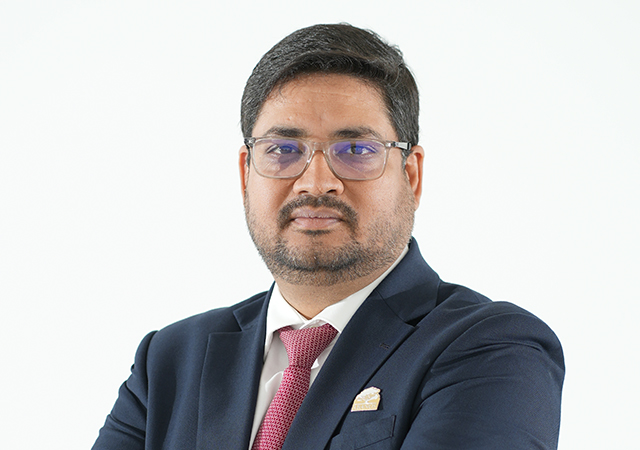
Kishore ... the adoption of PSB reflects a practical shift in how fit-out companies must operate.
PSB, developed from agricultural waste generated by date palms, is emerging as a carbon-positive material increasingly used across high-performance applications. The panels are currently being deployed in fire-rated doors, door frames, flooring systems, wall partitions, vanities and railings, demonstrating the potential for sustainable materials to move beyond niche use and into mainstream construction applications.
The material gained further attention in May 2025 when UAE-based manufacturer DesertBoard announced the completion of a full-scale mock-up home at Dubai Creek Harbour built entirely using its proprietary PSB panels, highlighting broader opportunities for its use across the built environment.
According to Ravish Kishore, General Manager at Abanos, the adoption of PSB reflects a practical shift in how fit-out companies must operate.
“The industry is at a point where environmental performance must be delivered without trade-offs,” says Kishore. “PSB allows us to demonstrate what is possible when sustainability is built into the material itself. Across just three projects, we have stored more than 4 million kg of CO₂e within the building structure. This is not an offset; it is carbon that remains locked into the built environment. In other words, it involves decarbonising at the Scope 3 level, thereby supporting the UAE’s commitment to achieving its 2050 Net Zero goals.”
He adds that as the UAE advances toward its Net Zero 2050 ambitions, manufacturers will increasingly need to rethink how materials are sourced, fabricated and delivered.
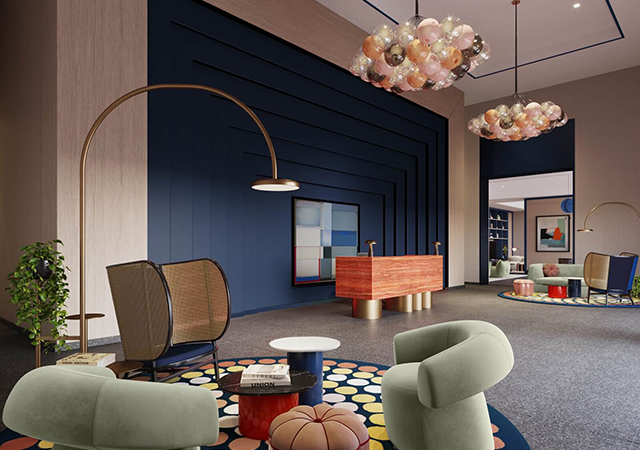
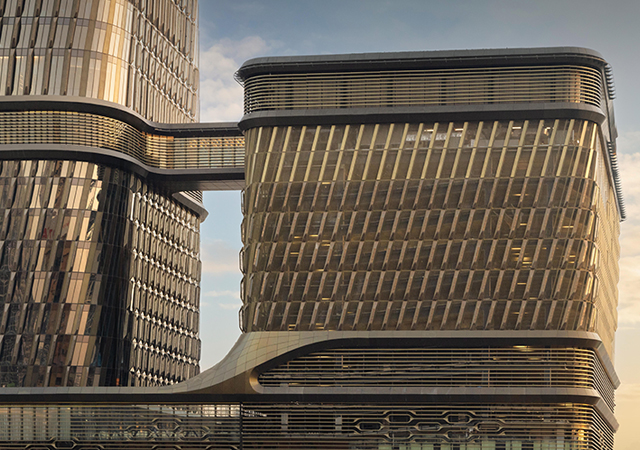
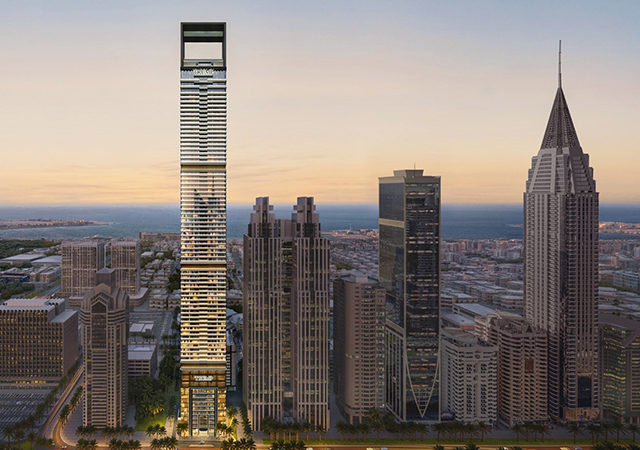
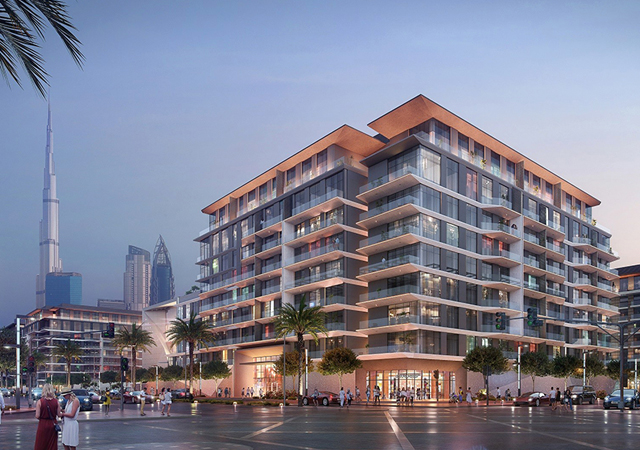
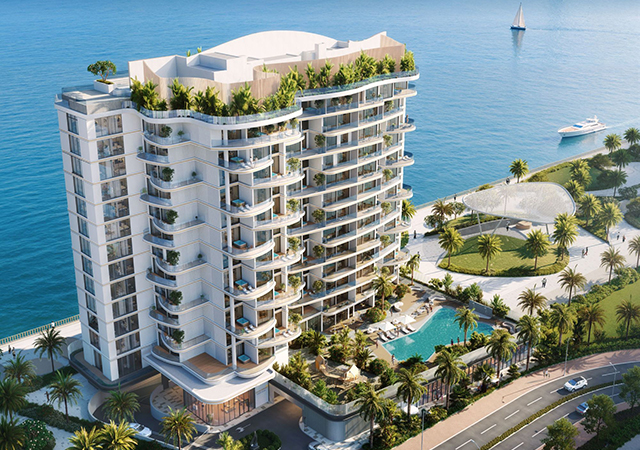
The Edge ... a residential building developed by Select Group.
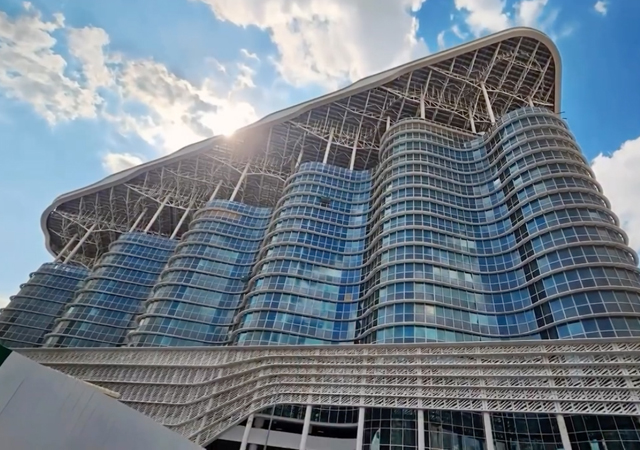
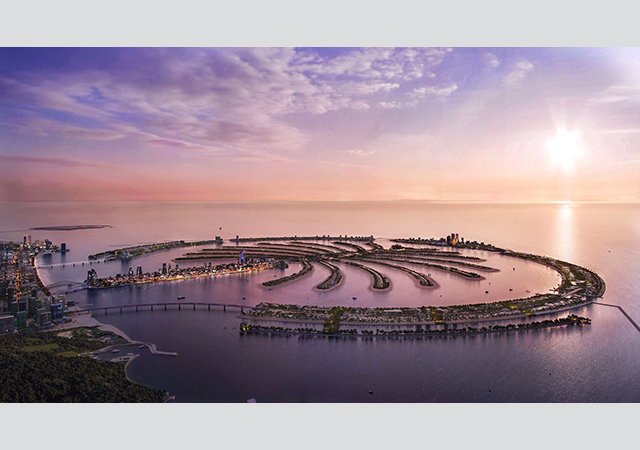
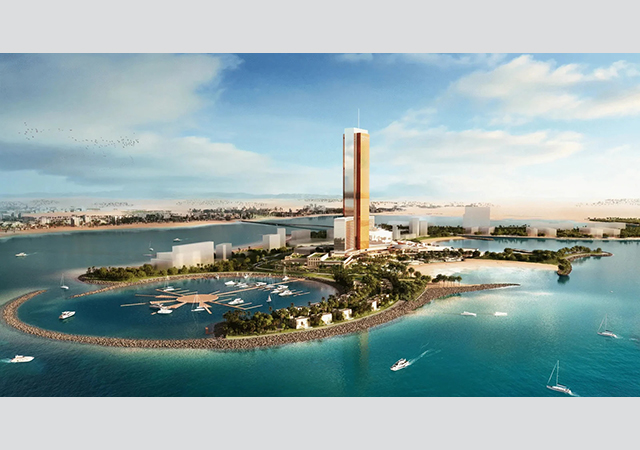
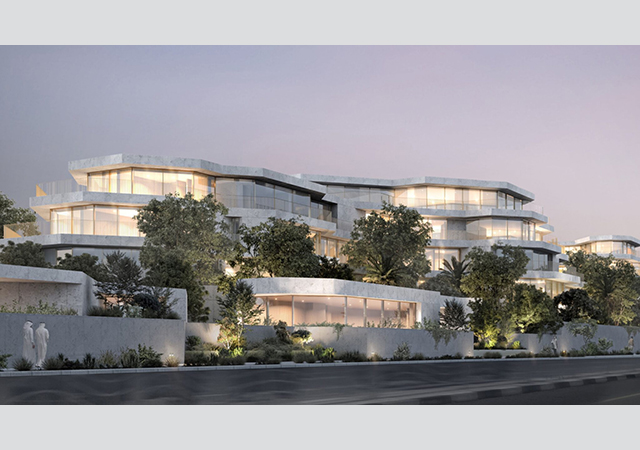
The projects incorporating the material include The Edge and The Peninsula developments for Select Group, as well as Kempinski La Reserve for Swiss Properties.
The use of carbon-sequestering materials is becoming increasingly relevant as developers seek practical pathways to reduce Scope 3 emissions – those generated across the value chain and often representing the largest share of a project’s environmental impact. Materials capable of storing carbon over the lifecycle of a building are gaining traction as the industry moves toward whole-life carbon assessments.
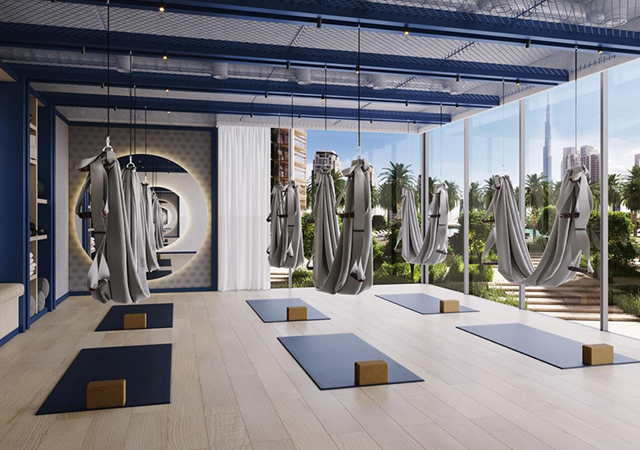
The Edge in Business Bay makes significant use of PSB boards.
For Abanos, the initiative aligns with a broader evolution of a company that has expanded significantly since its establishment in 1985 as ECC Furniture Industries. Beginning with a 100,000-sq-ft factory in Sharjah serving the local market, the company has steadily grown its manufacturing capabilities and geographic footprint across the Gulf.
The company expanded into interior design and fit-out operations in the mid-1990s before establishing its headquarters and a large-scale manufacturing facility in Dubai Investment Park in 2010. Today, it operates an in-house joinery and manufacturing facility spanning nearly 24,000 sq m and employs more than 1,100 professionals. Over the past four decades, the company says it has completed more than 1,000 projects across the Middle East and North Africa (Mena) region.