




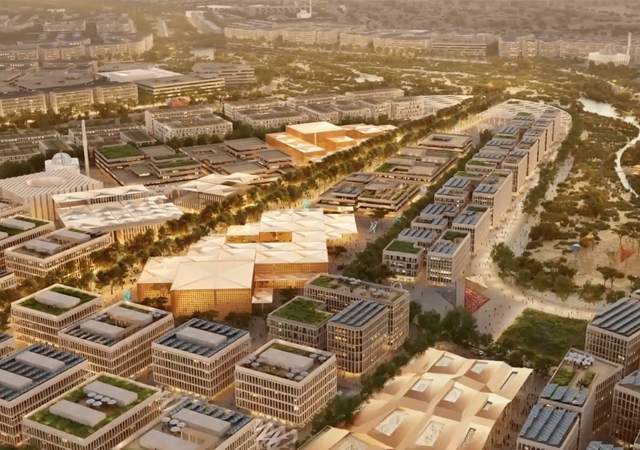




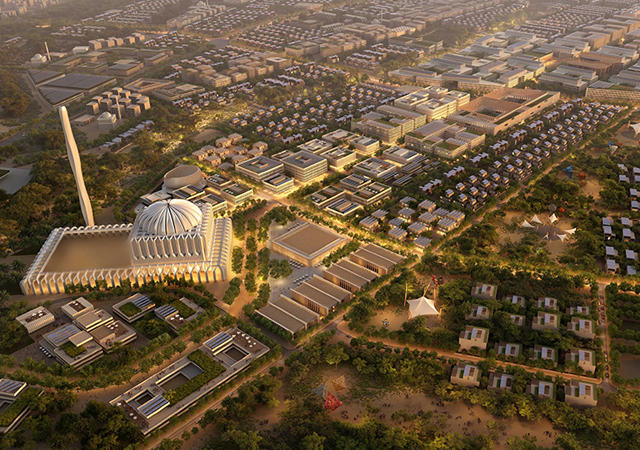






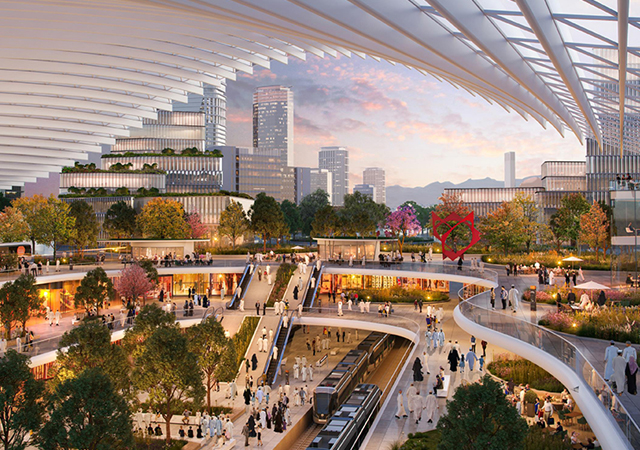
Oman has officially launched the Greater Muscat Structural Plan, a comprehensive urban development blueprint aimed at guiding sustainable growth in the capital region through 2040.
Overall, the plan seeks to transform the capital into a more compact, connected, productive, and climate-resilient metropolitan region.
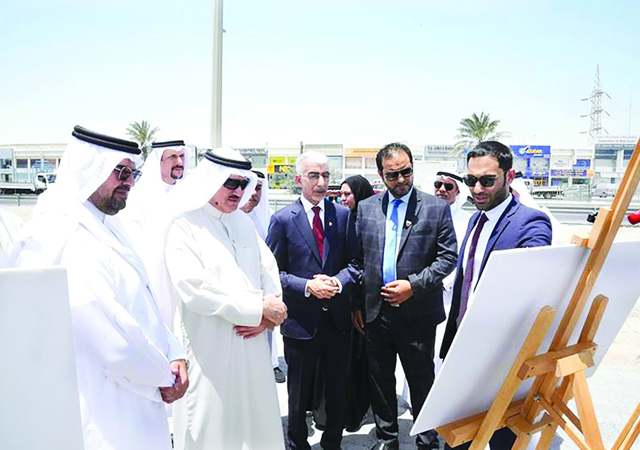
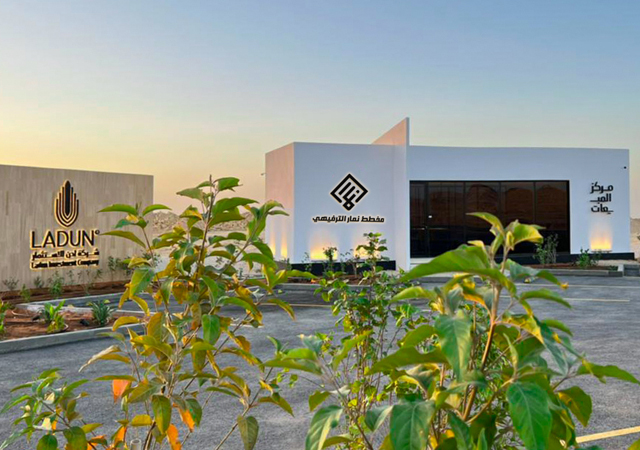
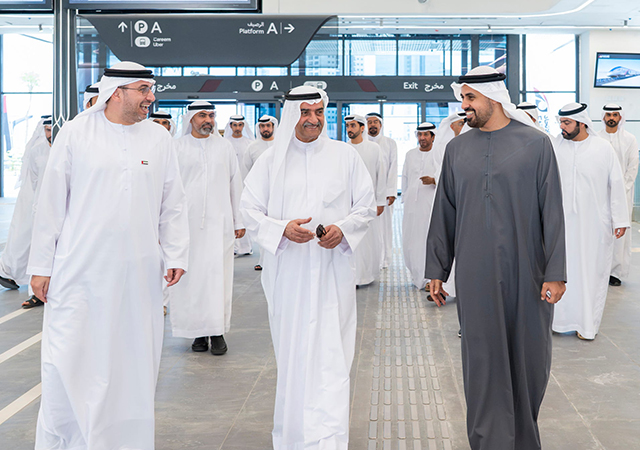
Under the directives of Sultan Haitham bin Tarik, Sayyid Bilarab bin Haitham Al Said, Minister of State and Governor of Muscat, inaugurated the plan early last month at the experience and sales centre in Sultan Haitham City, in the Wilayat of Seeb.
The plan covers a metropolitan area of approximately 1,360 sq km spanning parts of Muscat Governorate and South Al Batinah, extending over 80 km from Muttrah in the east to Barka in the west, with about 100 km of waterfront. It seeks to balance urban expansion with environmental conservation across diverse landscapes, including mountains, valleys, and coastal zones.
Key pillars include:
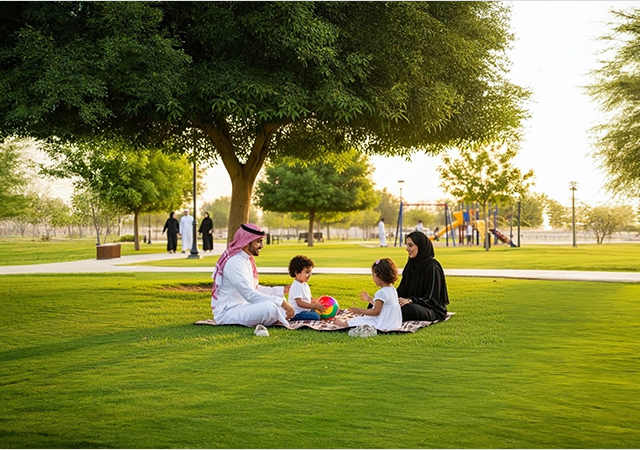
Green Muscat: Expanding parks and open spaces, targeting an increase of 9 sq m of open space per capita by 2040.
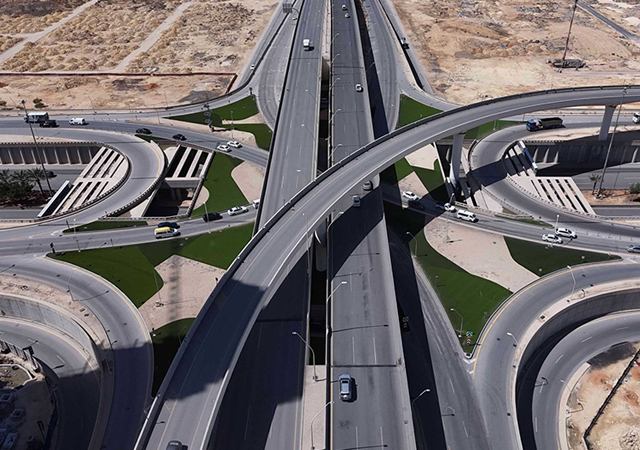
Connected Muscat: Developing integrated transport with public transit accessible to 80 per cent of residents within walking distance, a 20 per cent rise in public transport use, and a 55-km light rail system.
Productive Muscat: Creating 15 economic clusters to boost non-oil GDP contribution and productivity.
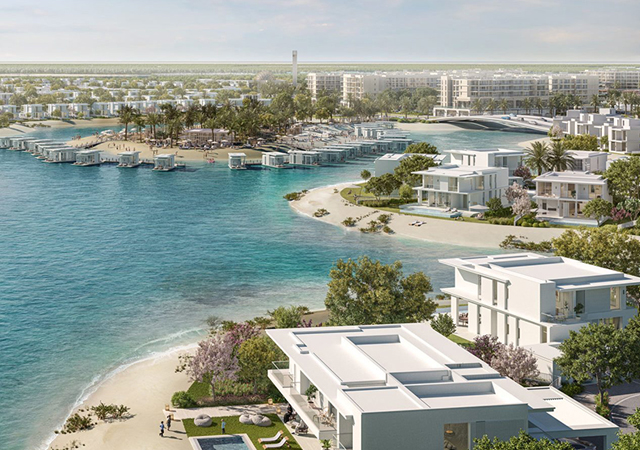
Vibrant Muscat: Delivering 313,000 housing units and activating waterfronts.
Resilient and safe Muscat: Aiming for a 90 per cent reduction in carbon emissions and carbon neutrality by 2050.
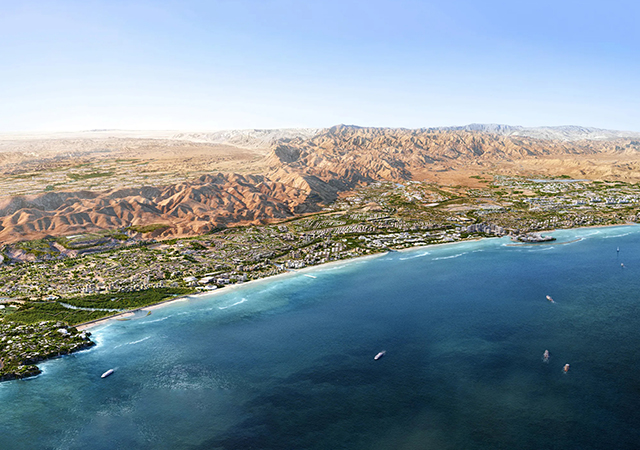
The plan covers a metropolitan area of 1,360 sq km from Muttrah in the east to Barka in the west, with about 100 km of waterfront.
The initiative builds on Oman’s National Spatial Strategy, approved in March 2021, and aligns with Oman Vision 2040. It involved extensive consultations with over 6,000 participants and more than 90 government and private entities.
Sayyid Bilarab described the plan as translating the Sultan’s vision into “cities that are more efficient, sustainable, and interconnected,” emphasising people-centred development while preserving Omani identity. He noted Greater Muscat’s recognition as the first Middle East project to join the Global Innovation District Network.
Commissioned by the Oman Ministry of Housing and Urban Planning and developed with input from international consultants including Broadway Malyan, Cundall, and F&M Middle East, under Oman Vision 2040, the Muscat Structure Plan aims to guide sustainable growth toward a net-zero economy by 2050. It emphasises stronger governance, resilient and liveable neighbourhoods, and compact urban development.
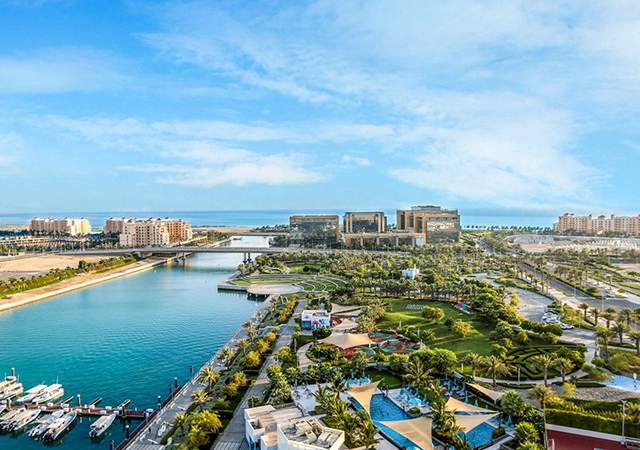
Muscat is Oman’s economic centre with 1.6 million residents (as of 2024), stretching along a 100 km coastline between the Arabian Sea and Hajar Mountains. According to Broadway Malyan, the city faces ongoing linear urban sprawl westward, fuelled by low car and fuel costs, affordable peripheral land, and citizens’ entitlement to birthright land plots. Much of this development occurs on areas vulnerable to climate change impacts.
Key focus areas of the plan include:
• Compact growth: Increase population densities in well-connected areas to curb sprawl and create distinct, serviced urban districts with clear identity and local character.
• Economic development: Establish 19 new employment clusters to support 890,000 jobs by 2040 and drive a transition to a knowledge- and innovation-based economy.
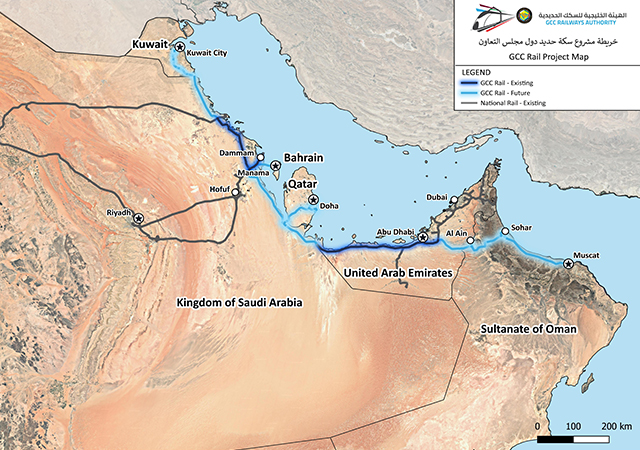
• Sustainable transport: Reduce car dependency through an integrated network including Bus Rapid Transit (BRT), a 55-km Light Rail Transit (LRT), express bus services, and connections to Etihad Rail.
• Environmental resilience: Enhance and restore wadis (dry riverbeds) to manage flash floods and storm surges while turning them into valuable public amenities and habitats.
The plan was shaped through a six-month city-wide consultation programme involving over 4,500 residents and stakeholders, ensuring community aspirations are reflected in the final framework, says Broadway Malyan.
The aim of the project is to provide a more focused spatial development strategy for the 1,360 sq km metropolitan region. The project will underpin the Oman National Spatial Strategy and its vision, focusing on strengthening and promoting sustainable design in the urban environment.
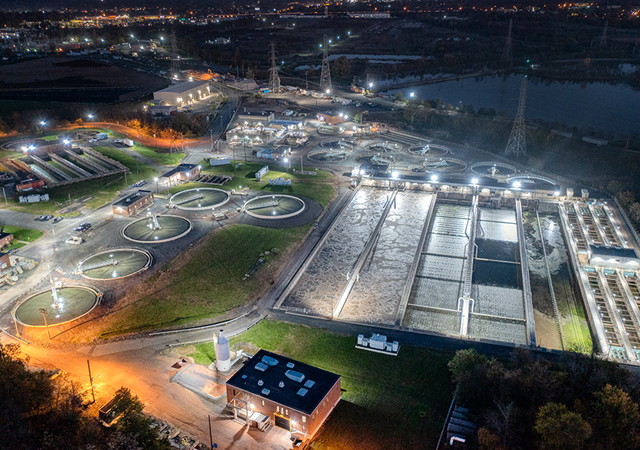
Cundall’s responsibilities included ensuring Greater Muscat benefits from an efficient and resilient city-wide utility infrastructure network, with an emphasis on renewable technology and water lifecycle. It is also developing the overarching sustainable and smart city framework and analyse flood risk and coastal change while safeguarding the natural environment.