





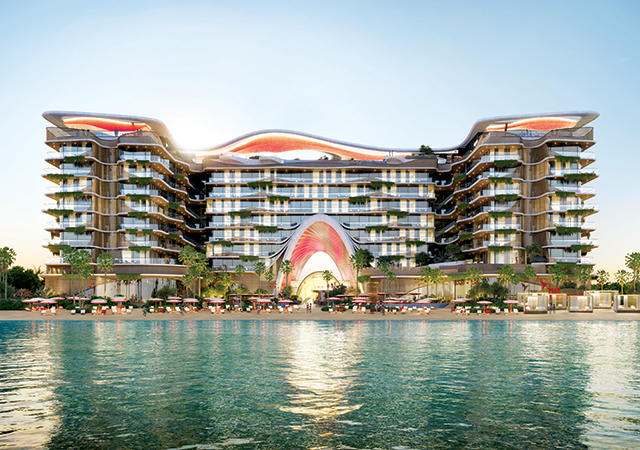
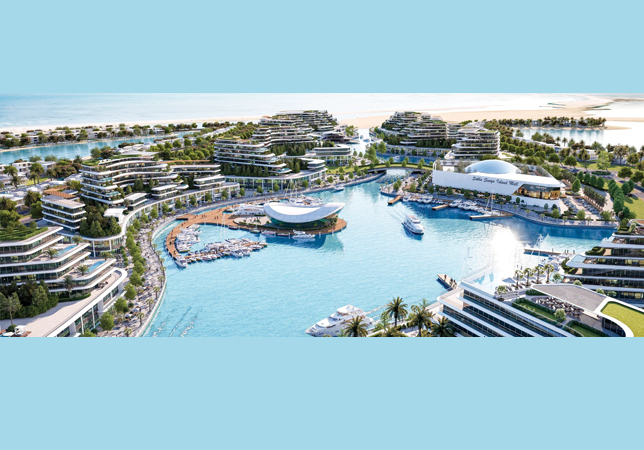
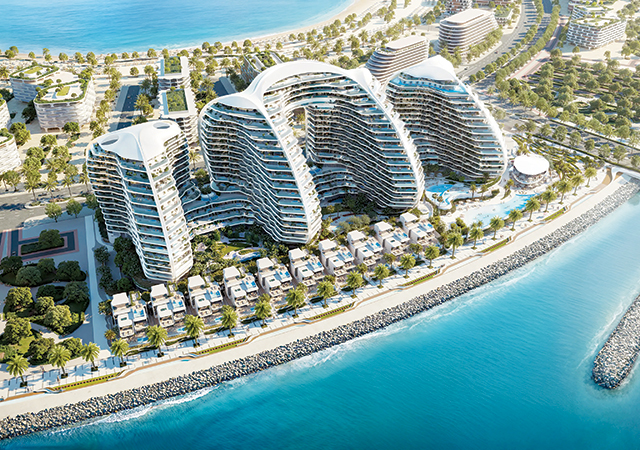
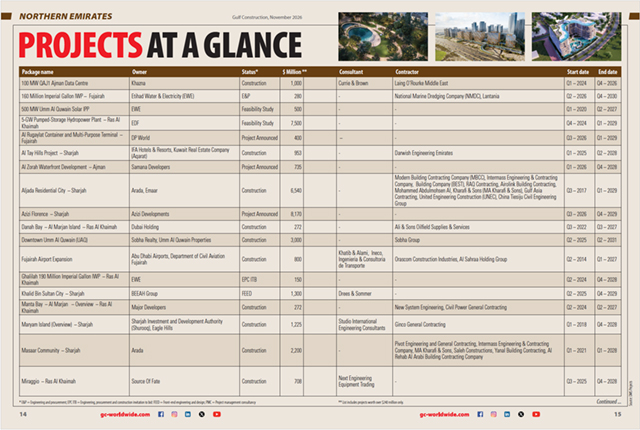
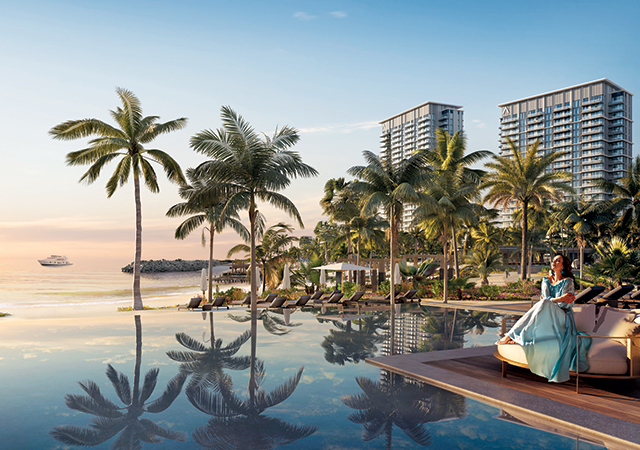
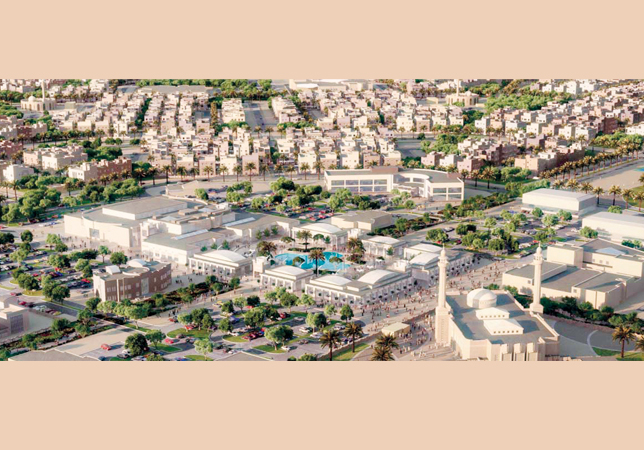
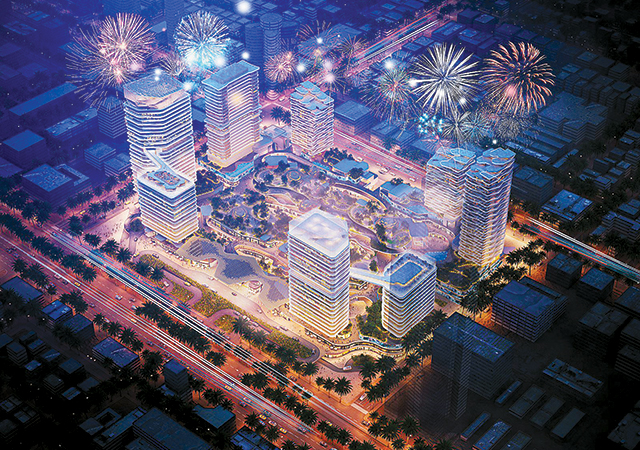
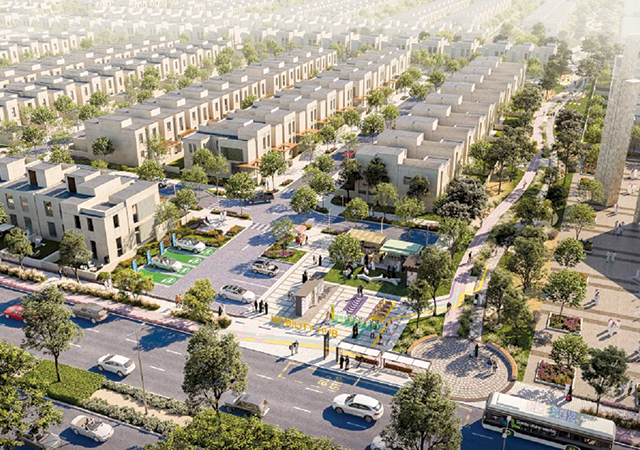
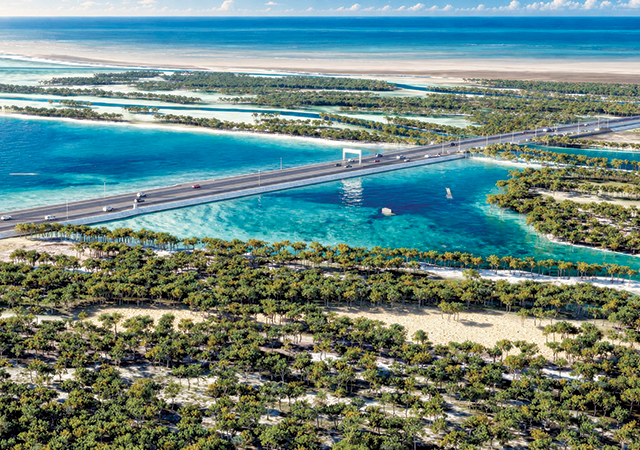
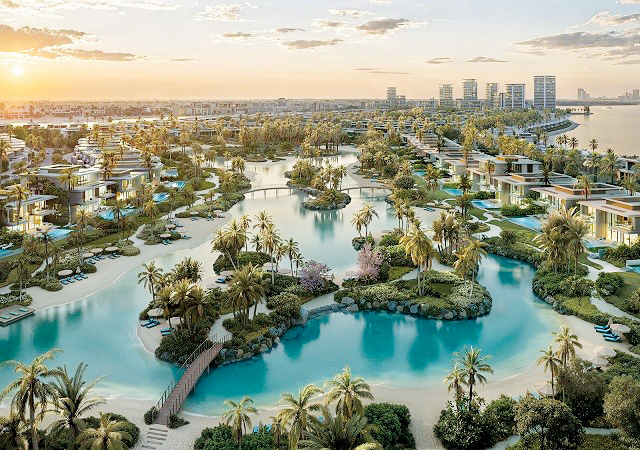
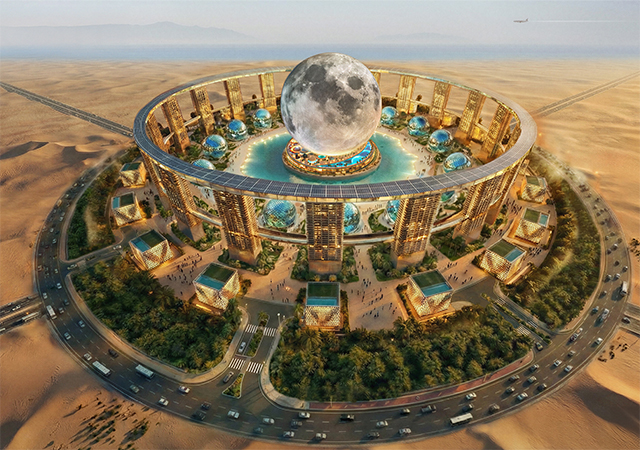



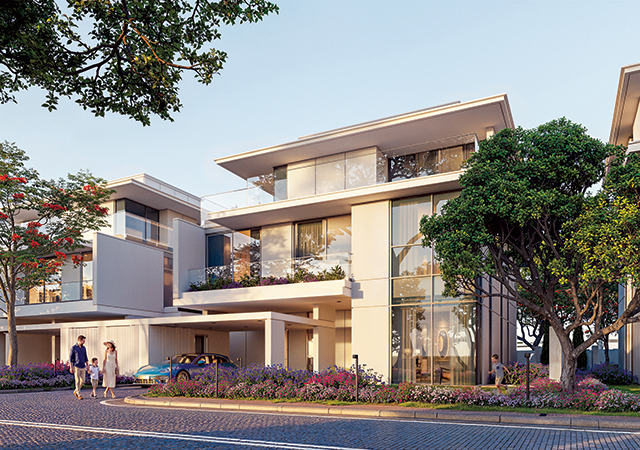
Azizi Developments has broken ground on Azizi Florence, an AED30-billion ($8.17 billion) master-planned community in Sharjah, marking its first major expansion into the emirate outside its core Dubai market. The 30-million-sq-ft project, located along Sheikh Mohammed Bin Zayed Road in Um Fanain, will comprise more than 10,000 residential units across six clusters alongside retail, leisure, and social infrastructure.
The scale of Azizi Florence is matched by an emphasis on self-sufficiency. The development will include more than 7,200 villas and townhouses and over 3,000 apartments, with 25 per cent of the masterplan allocated to green open space.
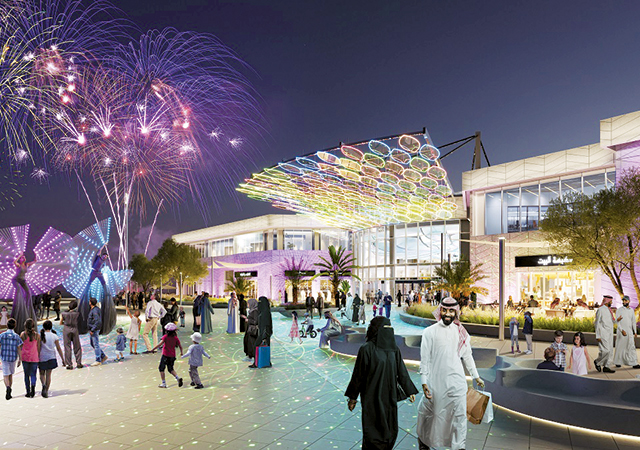
Its centrepiece will be the 1.7-million-sq-ft Azizi Bardini Park, alongside a 700,000-sq-ft community mall, 600,000 sq ft of additional retail space, schools, nurseries, healthcare facilities and mosques.
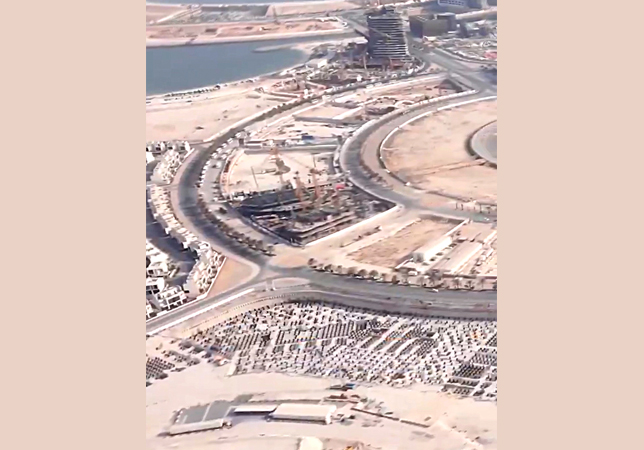
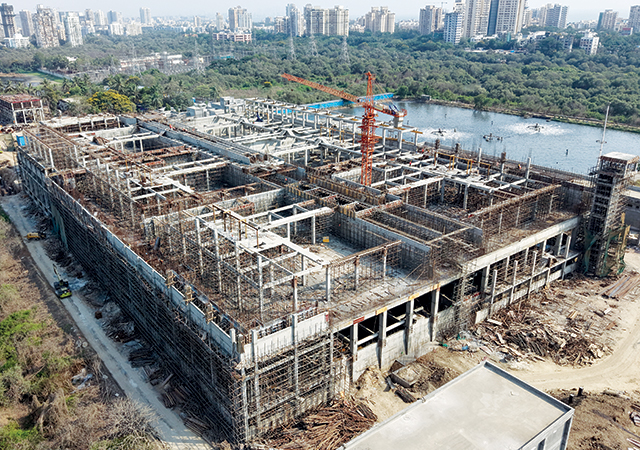
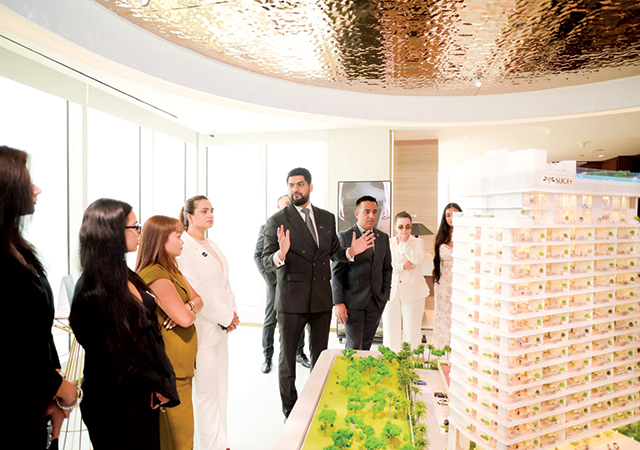
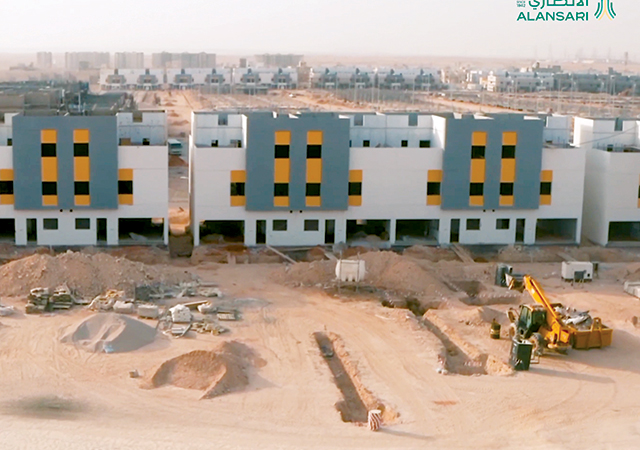
In an exclusive interview with Gulf Construction’s Bina Goveas, Mohamed Ragheb Hussein, Chief Executive Officer – Manufacturing at Azizi Developments, says construction activity has already moved beyond the groundbreaking stage. Site teams are undertaking mass earthmoving, site clearance, boundary demarcation and temporary access works, while technical workshops, equipment yards and logistics zones have been established on site. The sales centre and furnished mock-up units are already operational.
The first phase will focus on bulk earthworks and major utility infrastructure, including stormwater and potable water network, electrical substation coordination and internal road alignments, before moving into foundations, raft slabs and structural works for the first residential cluster.
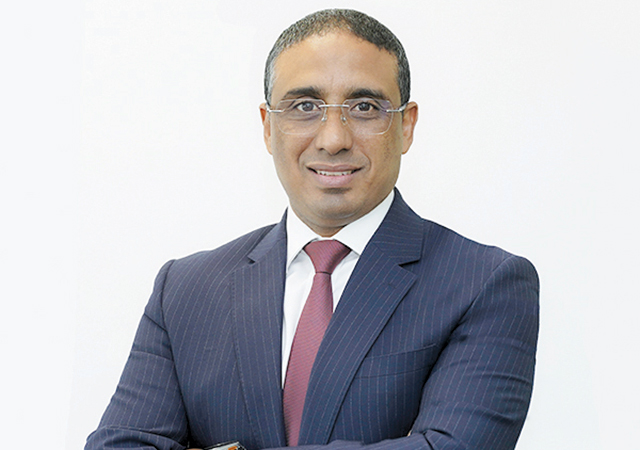
Hussein ... a key differentiator is Azizi’s vertically integrated delivery model.
A key differentiator, Hussein says, is Azizi’s vertically integrated delivery model. Rather than relying on a conventional external EPC structure, the developer’s in-house engineering and contracting teams oversee execution, while core construction materials and components – including readymix concrete, cut-and-bend rebar, architectural aluminium, joinery, ducting and bathroom pods – are manufactured at its industrial facilities in nearby Al Sajaa.
“Accelerating delivery on a 10,000-home development requires shifting work from active construction sites into controlled factory environments,” Hussein says. Azizi is using prefabricated wet areas, off-site MEP assemblies, pre-engineered structural components and systemised formwork, supported by digital fleet management and automated fuel dispensing.
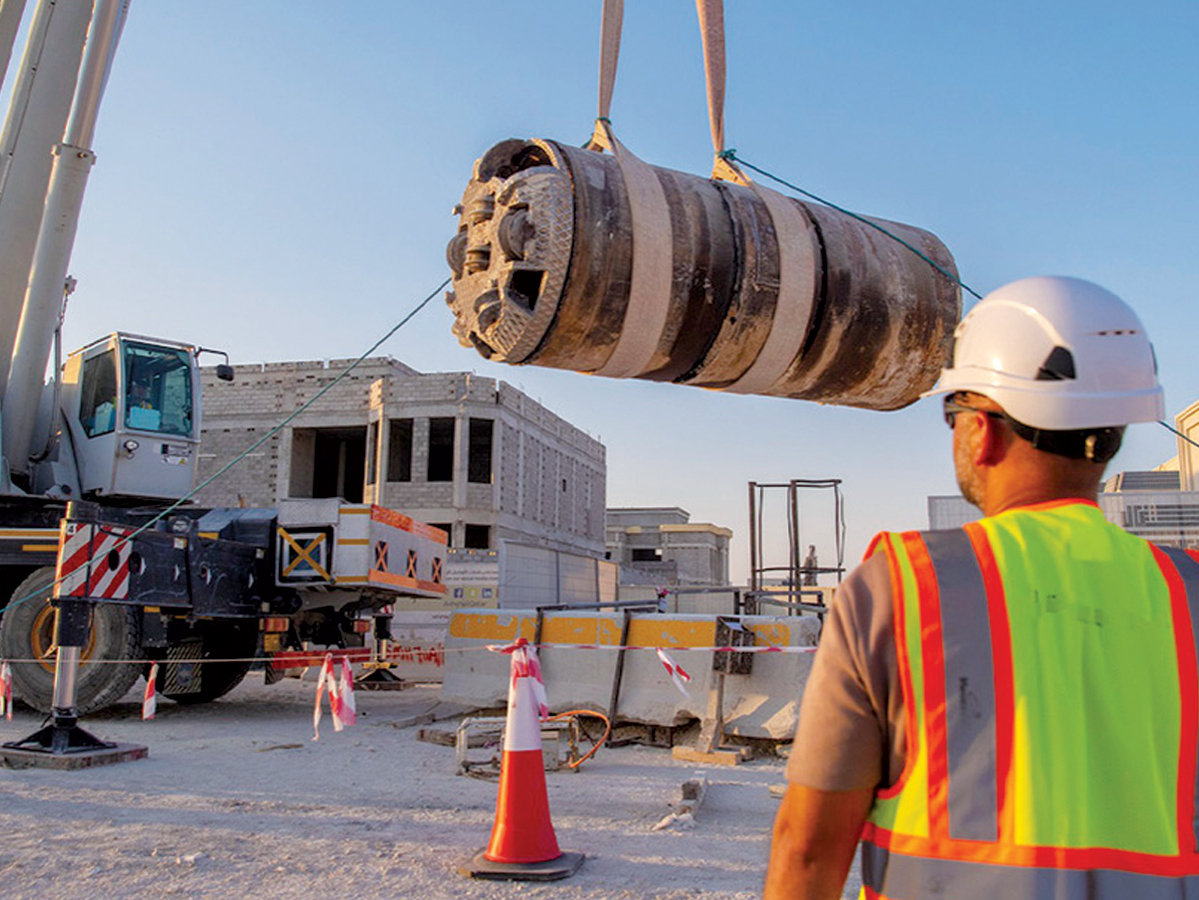
Building Information Modelling (BIM) is also being used as the project’s coordination platform, while the developer’s Azizi POD manufacturing plant produces complete bathroom units off site before they are delivered and craned into position. According to Hussein, the approach reduces trade handovers and rework while shortening the critical path for each residential structure.
Sustainability is being addressed through energy-efficient building envelopes, high-performance insulation, low-emissivity glazing and energy-saving lighting, while the landscaping strategy calls for more than 160,000 indigenous and drought-tolerant trees and plants. Treated sewage effluent will feed closed-loop smart irrigation networks serving the park – which will offer 32 zones dedicated to recreation, sports, wellness, culture and entertainment – and wider green belts.
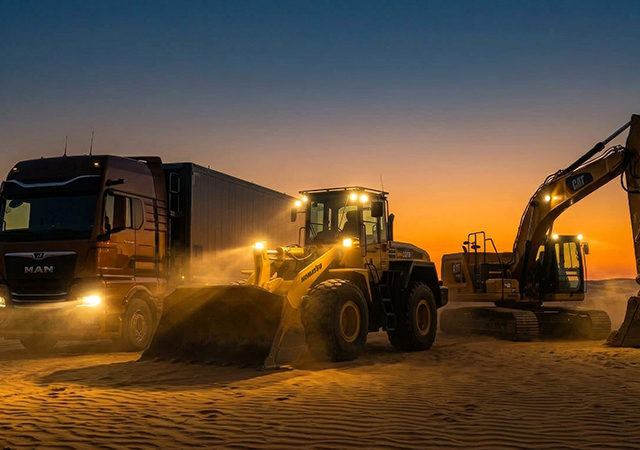
With construction now under way, the challenge will be translating the scale of the masterplan into a controlled, multi-year delivery programme. Hussein says Azizi’s strategy is built around reducing exposure to material, equipment and subcontractor risks through ownership of its manufacturing and construction resources, including more than 113 tower cranes, 70 prime movers and over 500 transport buses.
“Azizi Florence is an execution-led development. In a market where off-plan launches often outpace delivery capacity, our focus remains firmly on the construction site: pouring concrete, maintaining strict safety and quality standards, and handing over completed communities on schedule,” Hussein concludes.
Excerpts of the interview with Mohamed Ragheb Hussein:
Why has Azizi Developments chosen Sharjah for Azizi Florence, and what prompted the decision to launch this project now?
Sharjah’s urban landscape has matured into a premier end-user and investment market, driven by forward-thinking legislative reforms, population growth, and high demand for self-sustaining communities. Azizi Florence represents our strategic expansion into Sharjah, positioned along the Sheikh Mohammed Bin Zayed Road (E311) corridor to capture regional residential and commercial demand. We chose to break ground now because our integrated supply chain and balance-sheet liquidity give us the execution power to deliver an AED30-billion development without relying on external market cycles. It is also deeply personal for Azizi. Sharjah is where our family’s UAE commercial journey began over three decades ago, making this master development a natural evolution of our footprint.
What is the overall scope of Azizi Florence including its residential, retail, leisure and community facilities, and how will the 30-million-sq-ft development be structured?
Azizi Florence is planned as a fully self-contained urban ecosystem spanning 30 million sq ft, masterplanned into six distinct residential clusters. The community will deliver more than 10,000 residences, comprising over 7,200 villas and townhouses and more than 3,000 apartments.
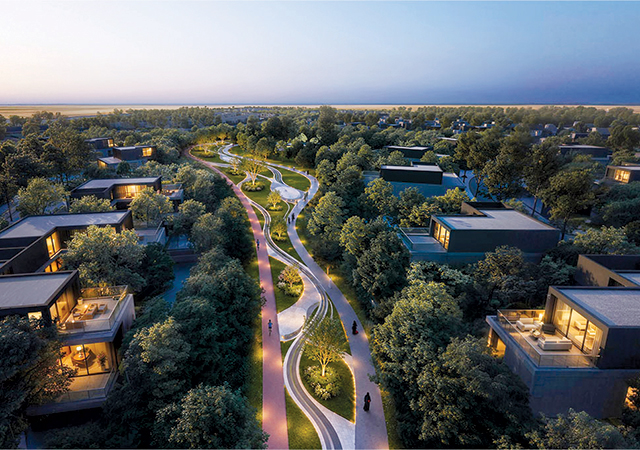
The spatial layout also prioritises livability, dedicating 25 per cent of the total master footprint to green open realms, centered around the 1.7 million-sq-ft Azizi Bardini Park with 32 multi-purpose recreational and sports zones. Civic and commercial infrastructure is anchored by a 700,000-sq-ft central shopping mall, 600,000 sq ft of supplementary retail, accredited schools, nurseries, integrated healthcare clinics, and community mosques.
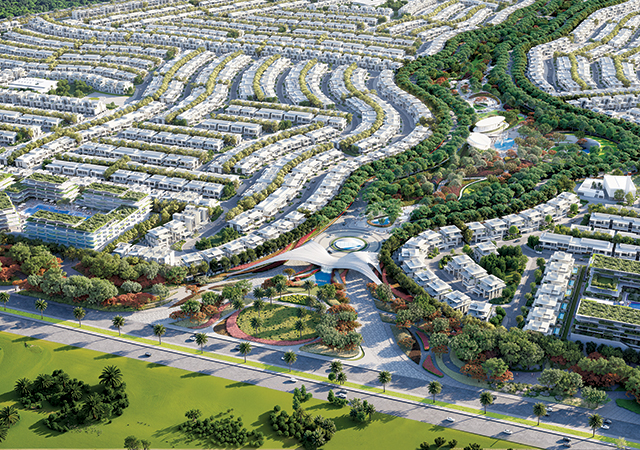
About 25 per cent of the 30-million-sq-ft masterplan area has been allocated to green open space.
What is the current construction status and what progress has been made since the groundbreaking?
Following our groundbreaking in October 2026, site operations mobilised immediately. Our first major completed asset is the Azizi Florence Sales Centre and fully-furnished mock-up residential units at Um Fanain, which are now fully operational. At the job site itself, enabling teams are currently executing mass earthmoving, site clearing, boundary demarcation, and temporary access road construction. We have also established our on-site technical workshops, equipment yards, and logistics zones at Um Fanain to support continuous plant operations without depending on external facilities.
What are the key milestones planned for the first phase of works?
The immediate milestones for Phase One over the coming quarters focus on concluding bulk earthworks and advancing deep infrastructure utility corridors. Key targets include completing main civil stormwater and potable water drainage trunks, electrical substation coordination, and rough grading of internal road alignments. Following ground remediation and authority clearances, foundation and raft slab work will progress directly into structural superstructure packages across Cluster One villas and townhouses.
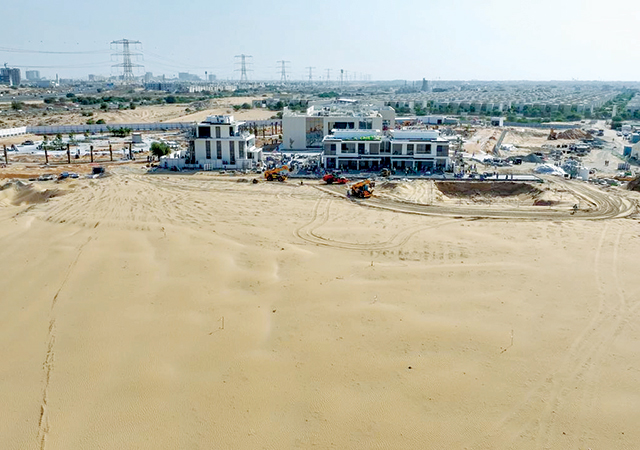
At the job site, enabling teams are executing mass earthmoving, site clearing, boundary demarcation, and temporary access road construction.
When will the major construction packages be tendered and awarded, and how will procurement be sequenced?
Azizi operates on a vertically integrated model that bypasses traditional EPC contracting delays. Instead of handing over the 30-million-sq-ft site to an external general contractor, our in-house engineering and contracting teams directly oversee site execution. Procurement is heavily de-risked because our core building packages, including readymix concrete, cut-and-bend rebar, architectural aluminium, joinery, ducting, and bathroom pods, are manufactured within our proprietary industrial plants in nearby Al Sajaa. External tendering is reserved for specialised municipal utility connections, master infrastructure crossings, and specialised trade packages, which are sequenced to align precisely with each cluster’s civil programme.
What is the overall delivery programme, and when do you expect the first components to be completed?
The initial components of Azizi Florence, specifically our dedicated sales gallery, customer experience centre, and architectural show residences are already finished and active. The broader master development is running on a disciplined multi-year delivery timeline, with early residential clusters, surrounding arterial road networks, and key park segments targeted for first handovers as initial phases finish. Because we control material manufacturing, labour welfare, and heavy equipment internally, our delivery schedules are protected from the supply chain bottlenecks that typically slow down developments of this scale.
What construction methods, technologies or digital tools are being adopted to accelerate delivery across the development?
Accelerating delivery on a 10,000-home development requires shifting work from active construction sites into controlled factory environments. We are utilising industrial prefabrication for modular wet areas, off-site MEP assemblies, and pre-engineered structural components. On-site, we deploy advanced systemised formwork that speeds up cycle times for concrete framing. Operationally, our entire equipment and machinery fleet is run through digital fleet management and automated fuel-dispensing systems, maximising machinery uptime, maintaining productivity, and preventing site delays.
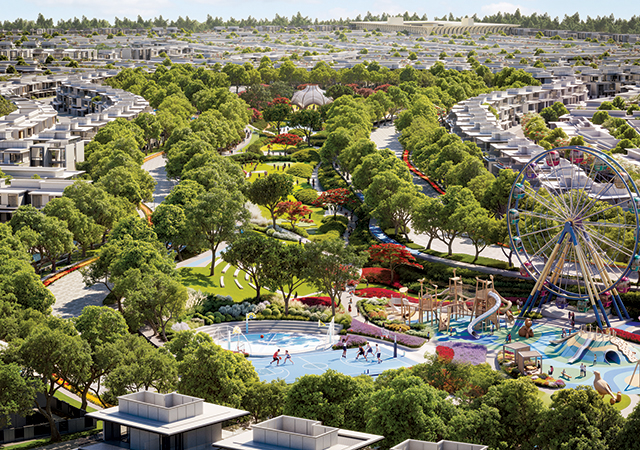
The spatial layout prioritises livability centered around Azizi Bardini Park with 32 multi-purpose recreational and sports zones.
How are BIM, prefabrication, automation or other technologies being used to improve coordination and construction productivity?
BIM serves as our operational blueprint, which then allows civil, architectural, and MEP teams to resolve clashes digitally before ground is broken. The most impactful driver of our productivity is our prefabrication integration. Through our Azizi POD manufacturing plant, complete bathroom units are fully fabricated, plumbed, tiled, and quality-tested in an off-site factory environment. They are delivered directly to site and craned into place as single structural units. This eliminates several separate trade handoffs on-site, reduces rework, improves build quality, and cuts weeks off the critical path for each residential structure.
What sustainability measures are being incorporated into the residential buildings, infrastructure and wider plan?
Sustainability at Azizi Florence is integrated into both the masterplanning and our construction logistics. At the building level, homes feature energy-efficient envelopes, high-performance thermal insulation, low-emissivity glazing, and energy-saving lighting systems to minimise operational energy use. Across the infrastructure, stormwater collection systems and energy-efficient pumping reduce resource consumption. Crucially, our localised industrial hub in Al Sajaa supplies the job site directly, eliminating thousands of hours of heavy cross-emirate transport and substantially reducing the carbon footprint of our supply chain.
With 25 per cent of the site allocated to parks and green spaces and more than 160,000 trees and plants planned, how will this landscape programme be delivered and maintained?
Delivering 25 per cent green space across 30 million sq ft requires intelligent horticultural and water engineering. The strategy behind our landscape is centered on planting more than 160,000 indigenous and drought-tolerant trees and flora that thrive in the local climate with minimal water requirements. The 1.7-million-sq-ft Azizi Bardini Park and residential community green belts are sustained by closed-loop, smart drip irrigation networks utilising treated sewage effluent. Automated irrigation controllers and moisture monitoring prevent water waste, ensuring vibrant green parks and natural microclimate cooling while conserving regional water resources.
On master developments of this magnitude, the biggest industry risks are material price volatility, long equipment lead times, and subcontractor defaults. Azizi manages these risks through self-reliance. We own our plant machinery and equipment, including more than 113 tower cranes, 70 prime movers, and over 500 transport buses. We do not compete for scarce rental machinery or face third-party equipment shortages. Furthermore, producing our own readymix, rebar, pods, and joinery gives us complete custody over materials from factory to field, protecting our delivery timelines from external supply shocks.
Anything else you would like to add about the construction of the project?
Azizi Florence is an execution-led development. In a market where off-plan launches often outpace delivery capacity, our focus remains firmly on the construction site: pouring concrete, maintaining strict safety and quality standards, and handing over completed communities on schedule. By combining modern prefabrication with dedicated plant ownership, we are delivering an enduring residential destination that sets a new engineering benchmark for Sharjah.