















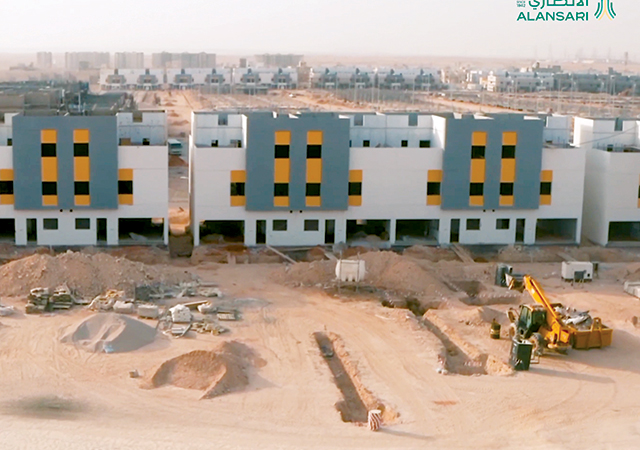

As the Middle East, Africa, and South Asia (MEASA) region undergoes an era of rapid urban development and mega-project execution, the construction industry faces a dynamic landscape shaped by technology, sustainability imperatives, and supply chain demands. Carrying a rich 47-year legacy, Big 5 Global remains at the forefront of this evolution, serving as the premier nexus for industry decision-makers, global suppliers, and innovators.
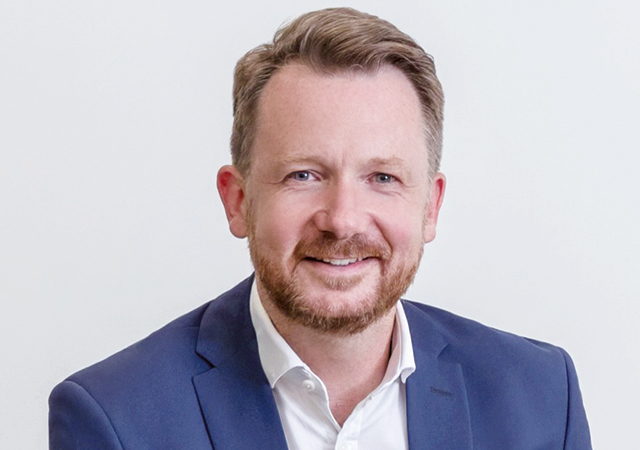
Ahead of this year’s gathering, taking place this month at the Dubai World Trade Centre, Gulf Construction spoke exclusively with Josine Heijmans, Senior Vice President at dmg events. In this in-depth interview, she shares key highlights of the upcoming 2026 edition, explores how the exhibition addresses pressing sector challenges, and highlights the digital and sustainable solutions shaping the future of the built environment.
Excerpts of the interview with Josine Heijmans:
Big 5 Global has evolved significantly over the years. What are the key highlights of this year’s edition?
With a 47-year legacy, Big 5 Global has evolved alongside the built environment, expanding its international reach, specialist sectors and thought leadership to reflect the changing needs of the market. The 2026 edition will bring together more than 1,800 exhibitors and government and private sector decision-makers from across the construction and urban development value chain at Dubai World Trade Centre from November 23 to 26.
Alongside sourcing products and solutions, the event will host seven specialised events: Heavy, Totally Concrete, Marble & Stone World, Urban Design & Landscape, HVACR World, GeoWorld and Future FM, as well as provide high-level insights at the Big 5 Global Leaders’ Summit, LiveableCitiesX Summit and Big 5 FutureTech Summit.
How does the exhibition reflect the current trends shaping the construction sector across the Middle East?
Construction requirements across the MEASA region continue to evolve, with project teams balancing four key priorities: supply chain resilience, technology advancement, sustainable transformation and a future-ready workforce. These themes underpin Big 5 Global’s offering, reflecting the need for reliable access to materials and equipment, greater use of technology across the project lifecycle, improved building performance and the skills required to deliver complex projects. Big 5 Global helps connect the industry’s priorities with the people, products and expertise needed to address them. Visitors can discover solutions from international and regional suppliers, while the event’s four-day programme of summits and talks provide practical insights into how businesses are responding to changing project demands, adopting new technologies and advancing their sustainability goals.
How does Big 5 Global help contractors, engineers and subcontractors address current industry challenges?
For contractors engineers and subcontractors, selecting the right materials, equipment and systems involves weighing project specifications, performance requirements, cost considerations and delivery timelines. Big 5 Global provides direct access to suppliers from across the construction value chain, enabling visitors to compare products, discuss technical requirements with manufacturers and distributors and identify solutions and partners for current and upcoming projects. For suppliers, the event offers opportunities to connect with professionals involved in procurement, specification, project management and delivery across regional and international markets.

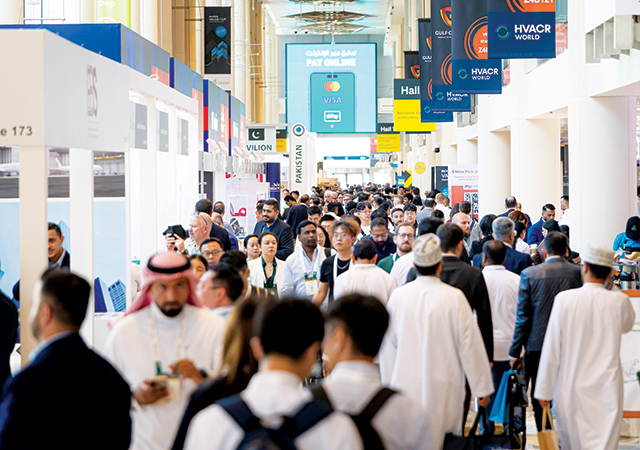
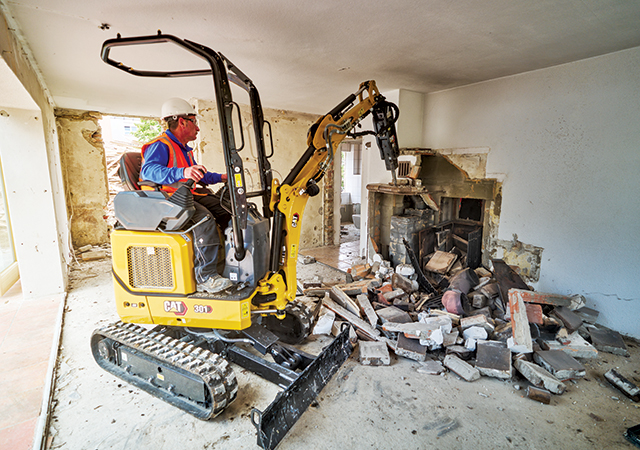
Big 5 Global 2026 edition will bring together more than 1,800 exhibitors.
The leadership summits complement these opportunities by addressing the wider challenges affecting industry performance today. Big 5 Global Leaders’ Summit explores how leaders can create the conditions for sustainable growth, investment and successful delivery. LiveableCitiesX Summit examines how better planning, policy and collaboration can create long-term value for cities. Big 5 FutureTech Summit considers how technology can improve the way the built environment is planned, delivered and operated.
Sustainability remains a key priority for the construction industry. What sustainability-focused initiatives, technologies or solutions will be showcased at this year’s event?
Sustainability is connected to practical decisions across construction, from the materials specified at the design stage to the way buildings operate and resources are managed. At Big 5 Global, we want visitors to learn how different products and solutions can contribute to sustainability objectives.
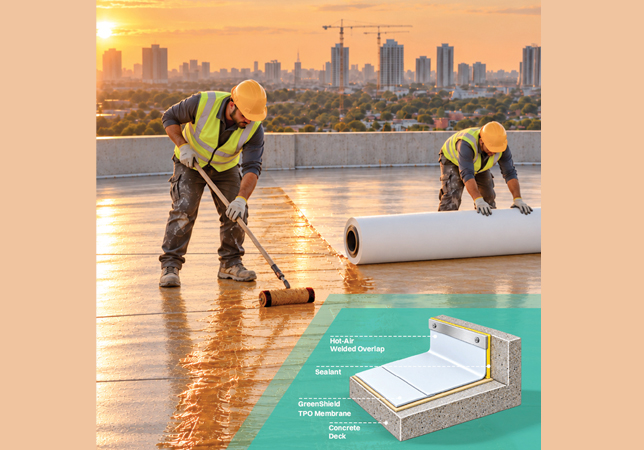
The Big 5 Global Impact Trail will guide visitors to suppliers, products and insights supporting more sustainable project delivery. Exhibitors include NaturaSeal Building & Construction Materials, showcasing volatile organic compounds (VOC)-free polymer-modified asphalt emulsion (PMAE) waterproofing membranes; Prime Middle East, presenting Solstice low-GWP refrigerant solutions; and Deewan Equipment Trading, featuring a concrete reclaimer system designed to reduce waste and recover reusable materials.
Beyond the exhibition floor, Big 5 Talks will host sustainability-focused sessions, exploring topics such as sustainable materials and climate resilience, connecting product discovery with practical considerations for project delivery and building performance.
Digital transformation is reshaping construction worldwide. What innovations in areas such as AI, digital twins, BIM, robotics and smart construction can visitors expect to see?
Digital transformation is bringing new capabilities to construction, from coordinating project information and improving visibility across complex developments to automating tasks and monitoring building performance. At Big 5 Global, Digital Construction World, GeoWorld, Startup City and Intelligent Buildings will give visitors exposure to technologies and emerging businesses working across this changing landscape. Big 5 FutureTech Summit, AI Talks and buildingSMART and Geospatial Talks at Big 5 Talks will add expert perspectives on how digital tools are being applied across the industry. For visitors, the opportunity is to assess developments in relation to their own operations, understand where digital solutions may add value and engage directly with companies providing the relevant technologies.
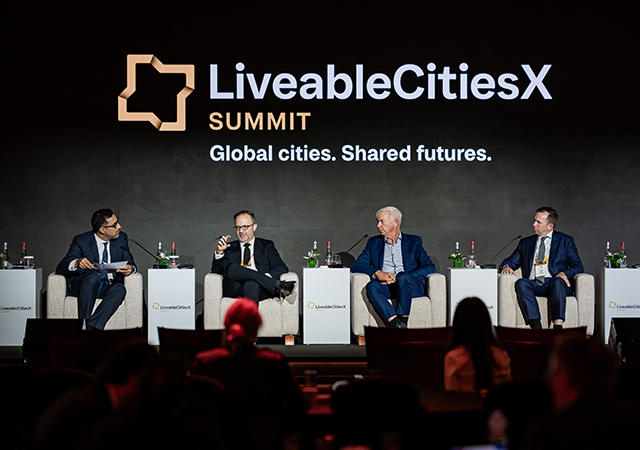
Big 5 Global’s LiveableCitiesX Summit examines how better planning, policy and collaboration can create long-term value for cities.
How does Big 5 Global bring together international exhibitors and industry professionals, and what does this reflect about its role in the market?
Big 5 Global gathers stakeholders from across the construction value chain, from vision to project commissioning, connecting them with the construction and urban development industry in MEASA. The 2026 edition will also host exhibitors from over 60 countries, including 20 country pavilions from Austria, Italy, Germany, Oman, Greece, China, Morocco, UK, Türkiye, Spain, Russia, Egypt, Portugal and South Korea, among others, giving visitors access to over 55,000 products and services. The event attracts professionals involved in procurement, engineering, specification, project management and project delivery, offering a niche space to explore solutions beyond established supply chain networks, compare approaches and build commercial relationships across markets.
What opportunities does Big 5 Global create for international companies looking to enter or expand their presence in the Middle East construction market?
For international companies looking to grow their presence across the MEASA, Big 5 Global offers a practical way to understand the local and regional market and connect with the people behind an impressive line-up of projects. The event brings together contractors, developers, consultants, distributors and suppliers from across the value chain, where businesses can discuss market requirements, explore opportunities and build relationships with potential buyers and partners. With solutions spanning everything from heavy construction and building materials to HVACR, digital construction, geospatial technology and urban design, it also provides a useful window into the trends, technologies and demands influencing construction markets across the region.
The GCC continues to witness major investment in mega and giga projects. How is the event supporting stakeholders involved in these developments?
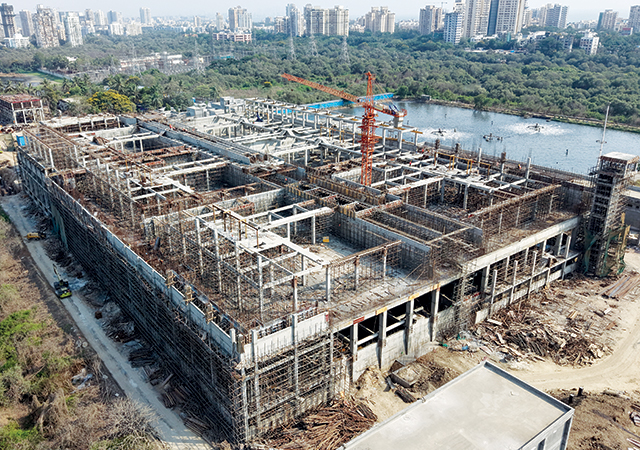
Across the GCC, national development strategies and long-term visions are supporting continued investment in urbanisation, infrastructure and the built environment. From new urban districts and transport networks to large-scale commercial developments and the modernisation of existing cities, these programmes create demand for expertise, materials, equipment and technologies across the construction lifecycle.
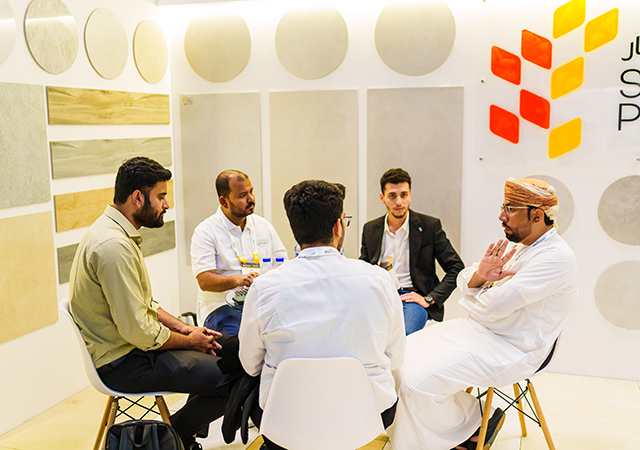
Big 5 Global 2026 edition will host exhibitors from over 60 countries.
The event’s focus on the built environment reflects the interconnected requirements of these developments, spanning construction equipment, concrete, building materials, building systems, digital technologies, geospatial solutions, stone and landscape design, as well as facilities management. Furthermore, it also addresses the wider considerations behind successful development, including investment, long-term urban value, delivery challenges and the role of technology.
How does Big 5 Global support knowledge-sharing, professional development and the construction industry’s future talent needs?
The knowledge programme at Big 5 Global is designed to help professionals understand how emerging technologies, standards and practices can be applied to real projects. Its three summits address complementary questions: how leaders can enable sustainable growth and successful delivery; how cities can create long-term value through planning and collaboration; and how technology can improve the way the built environment is planned, delivered and operated.
Alongside the summits, Big 5 Talks will feature 16 streams, more than 90 CPD-certified sessions and over 350 industry speakers across four days. Covering areas such as project delivery, engineering, smart buildings, sustainability, architecture and facilities management, the programme will combine technical expertise with practical applications, case studies and discussions of real-world challenges. Dedicated sessions on AI, building codes and regulations, fire safety and other subjects will help professionals understand changing requirements and assess approaches relevant to their roles. Continued access to relevant expertise is also important to helping businesses identify the capabilities and skills their teams will need as construction practices evolve.
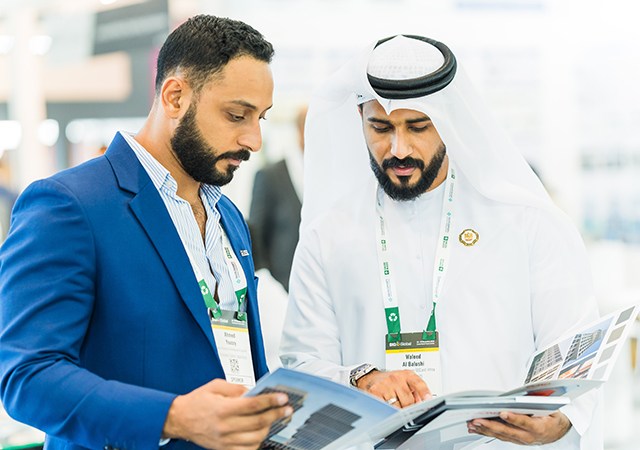
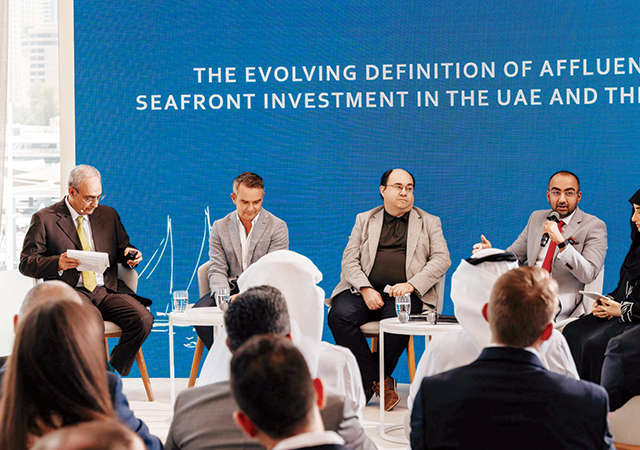
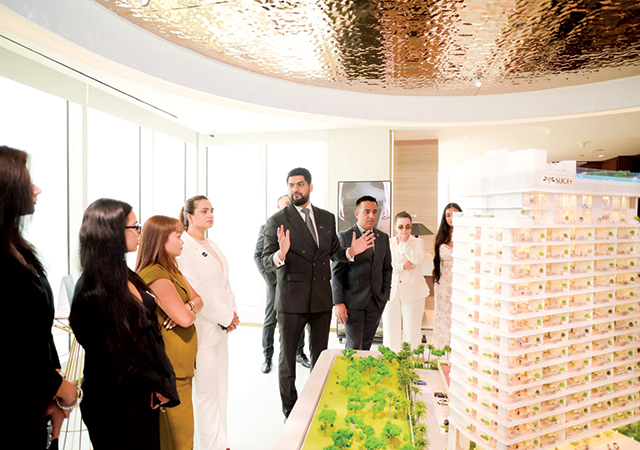
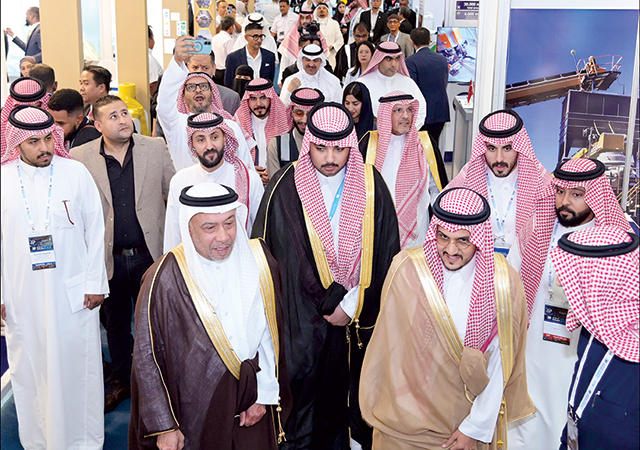
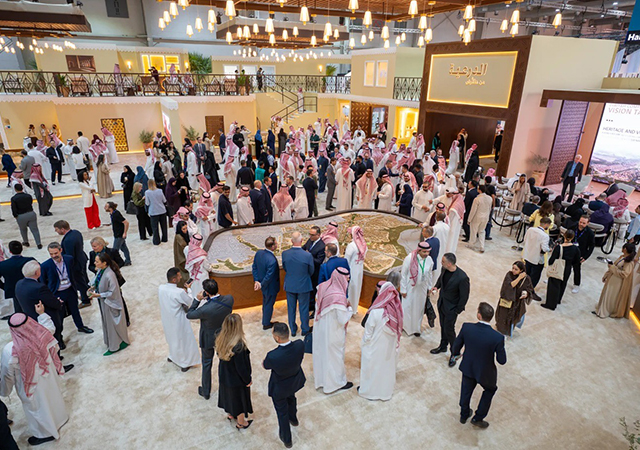
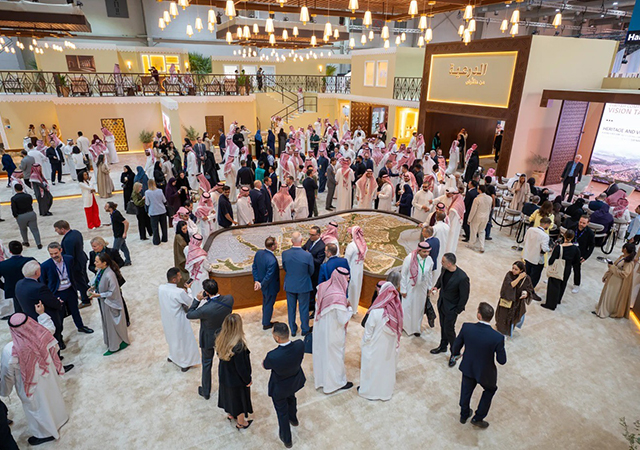
Big 5 Global provides ample networking opportunities.
Looking ahead, what are your expectations for the construction sector in the region over the next 12 to 24 months, and how do you see Big 5 Global supporting that growth?
Over the next 12 to 24 months, I expect project efficiency, supply chain resilience, technology adoption and sustainability to remain important priorities for construction businesses across the region. The requirements will vary between markets and project types, but companies will continue to assess how they can manage resources effectively, access reliable suppliers, meet evolving technical and regulatory requirements and incorporate solutions that improve project and building performance.
Big 5 Global will continue to develop its international reach, specialised exhibitions and thought leadership in response to these needs. Next year we will once again have Windows, Doors and Facades, which is our biennial event focusing on building envelope systems. Our priority is to ensure that Big 5 Global provides the ultimate meeting place for the industry to engage in the developments and opportunities influencing construction across the MEASA.