



















Foster + Partners, a global studio for sustainable architecture, urbanism, engineering and design, has unveiled the detailed masterplan designs for the Al Najd Agricultural City at Dhofar, working in collaboration with Oman-based international multi-disciplinary consultant.
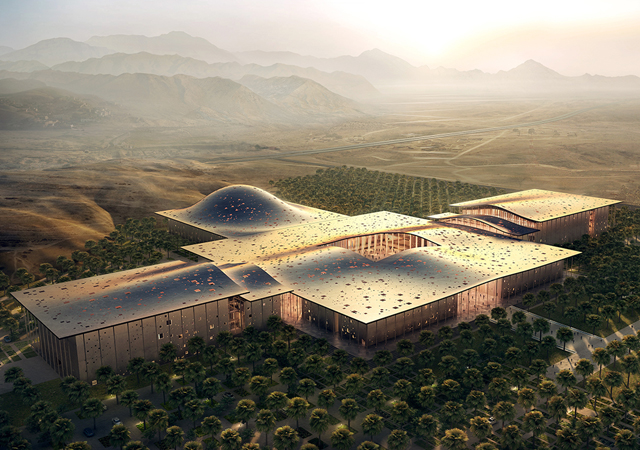
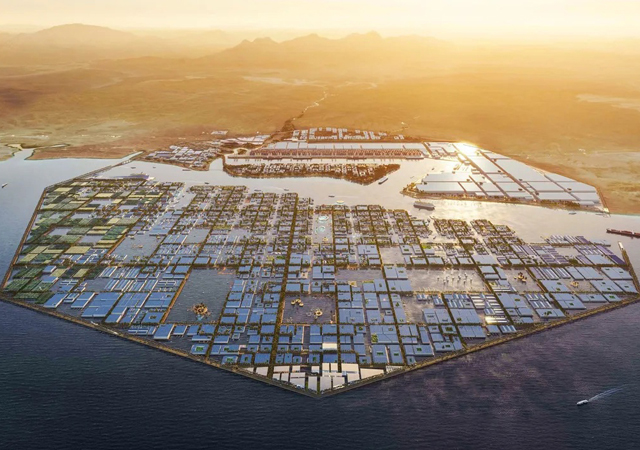
The 54 million-sq-ft, self-sustaining agricultural development will be built on fertile soil and respond to the region’s unique environmental conditions, said the company in a statement.
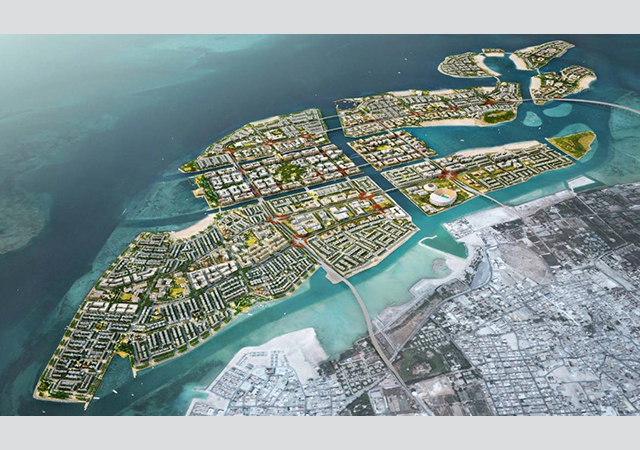
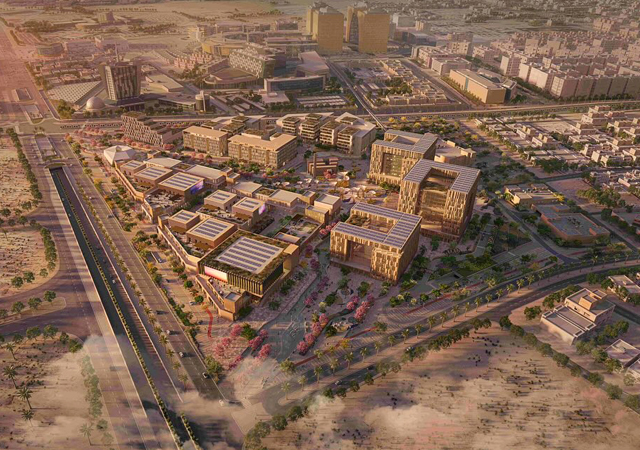
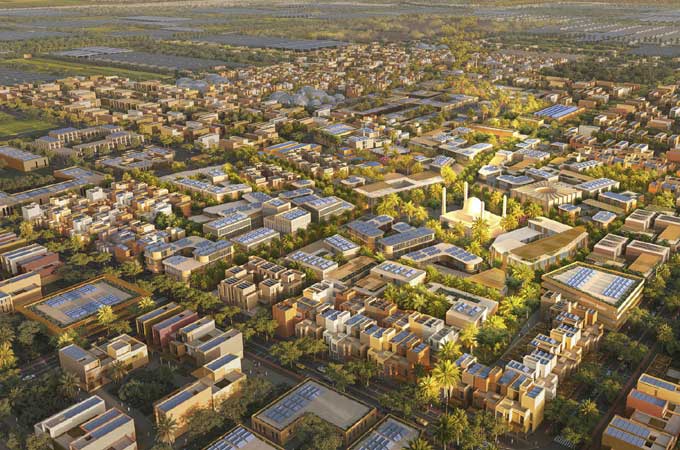
The masterplan is inspired by historic developments in Oman, where agriculture has been an integral part of public life. The scheme is defined by a multi-scalar approach to planning with clusters of rectangular farms, ranging in size (from 10 to 200 hectares), efficiently radiating outwards from a compact urban core.
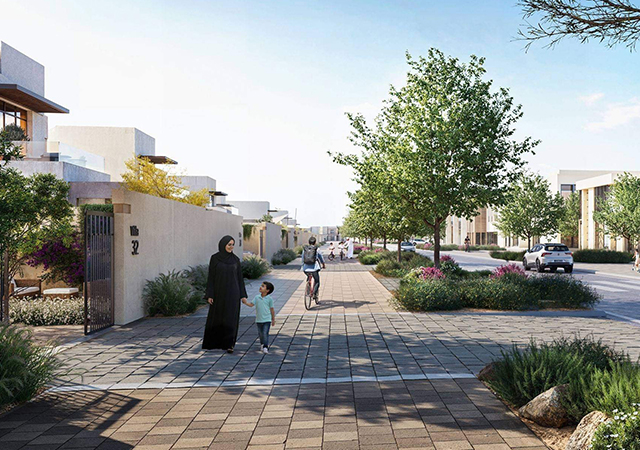
Agricultural spaces are also embedded within public areas such as parks, boulevards, and courtyards, creating a distinctive urban identity, said Foster + Partners in its statement.
The city centre features shaded pedestrian routes, integrated public transport connections, cultural and religious buildings, educational and healthcare facilities, as well as retail and leisure spaces, supporting a projected population of 13,000 residents and 6,500 new jobs.
The development is strategically connected to other regional hubs and farms to create resilient food systems and drive growth, it stated.
The project for the Ministry of Housing and Urban Planning, and the Ministry of Agriculture, aligns with the Oman Vision 2040. It advances food security and agricultural innovation, supports economic diversification, and will become Oman’s first zero-waste agricultural development.
Unveiling the masterplan, Stefan Behling, Head of Studio, Foster + Partners, said: "Informed by history and driven by technology, the masterplan will create a healthy and self-sufficient heart for the region. Our design is grounded in agricultural innovation and nurtures community to create a truly sustainable and resilient locale, which will serve future generations."
A team of agricultural consultants have carefully selected crops for the masterplan, focusing on regionally suitable varieties such as date palms, greenhouse-grown tomatoes, and industrial crops that produce raw materials.
The project also supports exports and agro-processing opportunities, including the production of dried and frozen produce, oils, compost, and fertilizer, he added.
Stephanie Tunka, Partner, Foster + Partners, said: "Guided by the region’s unique landscape and climate, we have embedded sustainable strategies within the masterplan that help create strong connections between people, place, and nature."
Integrated technologies include shade nets to filter sunlight and regulate temperature, agrivoltaics for crop protection and power generation, aquaponics to create closed-loop ecosystems, as well as advanced water and energy management systems. The diversified water strategy includes groundwater, collecting runoff water from the mountains via dams, and desalinated seawater, with careful monitoring of irrigation and the selection of water-efficient crops, she added.