

















Water is emerging as a critical constraint on the world’s biggest growth ambitions, from artificial intelligence and the energy transition to food security and rapidly expanding cities, as governments and investors confront a huge financing gap in water infrastructure.
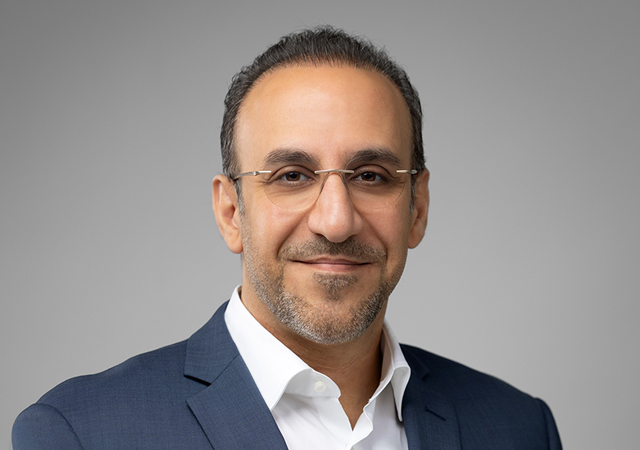
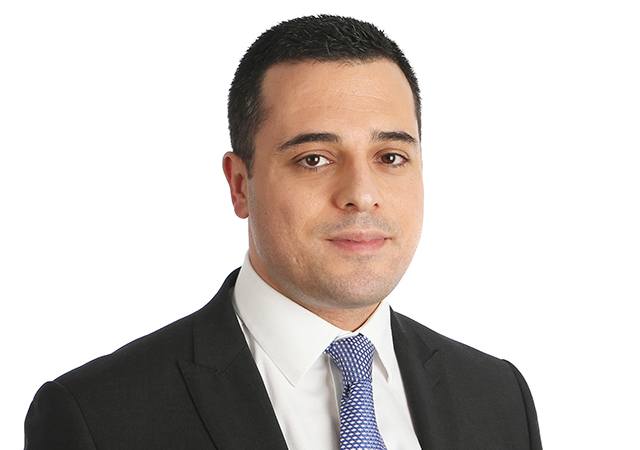
“Around the world, water is one of the key defining factors shaping growth, competitiveness, and resilience,” Badr Jafar, Special Envoy of the UAE Minister of Foreign Affairs for Business and Philanthropy, told a private CEO roundtable in New York. “The AI revolution, the energy transition, food security and urban growth are all water stories.”
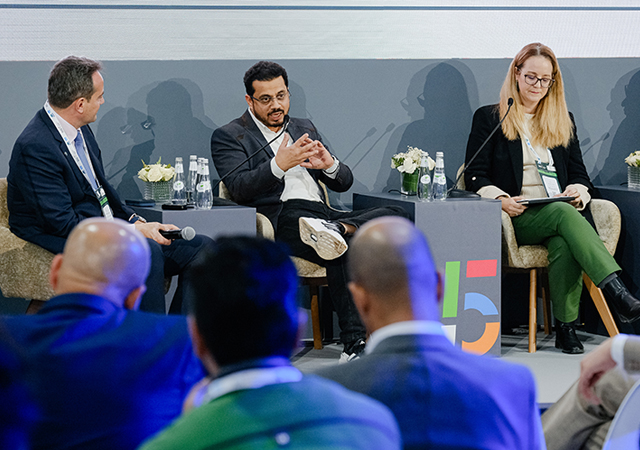
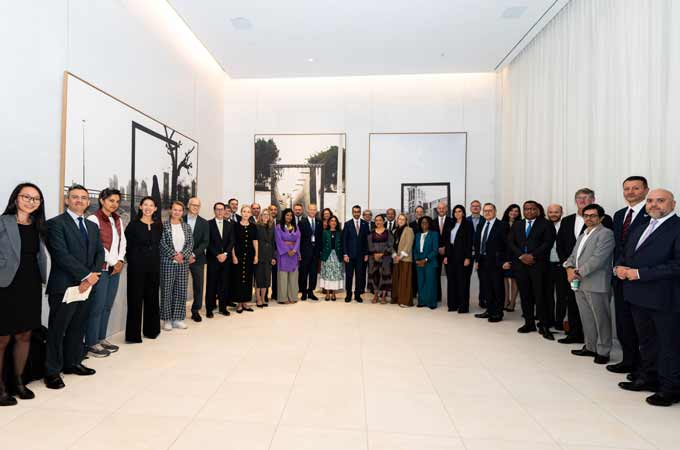
The warning came as some 50 chief executives, investors and philanthropy leaders gathered at the Permanent Mission of the UAE to the United Nations to examine how to move water projects from proven concepts to financial close, ahead of the UN Water Conference to be co-hosted by the UAE and Senegal in Abu Dhabi from December 8 to 10.
The scale of the challenge is stark. In 2024, some 2.1 billion people lacked safely managed drinking water and 3.4 billion lacked safely managed sanitation, while progress on safely managed drinking water needs to accelerate eightfold to achieve universal coverage by 2030. The World Bank estimates that an additional $131 billion to $141 billion a year is required to achieve universal access to water and sanitation, even as less than 2% of water spending in developing countries comes from private sources and official development assistance fell 23% in 2025.
“The AI transformation is equally a water transformation,” Jafar said, highlighting the growing dependence of data centres and other technology infrastructure on reliable water supplies. “Our technology and our energy resources are only as strong as the water resources that enable them."
Jafar said: "Water is easy to undervalue because, for most of us, it appears on demand. Yet it is the infrastructure beneath every other infrastructure: food, energy, cities, and now the data centres behind artificial intelligence. The solutions exist. What is missing is the preparation, the risk allocation and the patient capital that turn a good idea into a financeable project. That is where business, investors and strategic philanthropy can each do what governments cannot do alone, and why the UAE is bringing them into one room."
The discussion focused on the practical conditions for financial close in climate-stressed and fast-growing markets, including project preparation, offtake, regulatory and operating risk; on water constraints across food, energy, industry and data infrastructure; on making new technologies, including digital and AI-enabled solutions, affordable in developing economies; and on where catalytic and first-loss capital can make projects bankable that are not yet investable on commercial terms.
Participants examined how long-term guarantees, local-currency finance and project-development facilities can bring viable projects to market, and where reuse, loss reduction, storage, efficient desalination and digital monitoring deliver the greatest returns when matched with sound governance and local operating capacity.
The roundtable forms part of the UAE's wider engagement ahead of December’s UN Water Conference in Abu Dhabi and builds on the Mohamed bin Zayed Water Initiative, whose $150 million commitment anchors the five-year, $119 million XPRIZE Water Scarcity competition for affordable desalination, and on the Abu Dhabi Global Water Platform, launched in January by the Abu Dhabi Fund for Development to mobilise US$2 billion and reach 10 million people by 2030. -TradeArabia News Service