






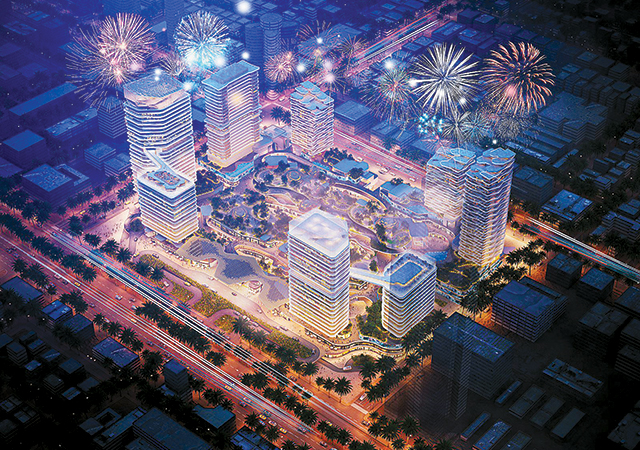
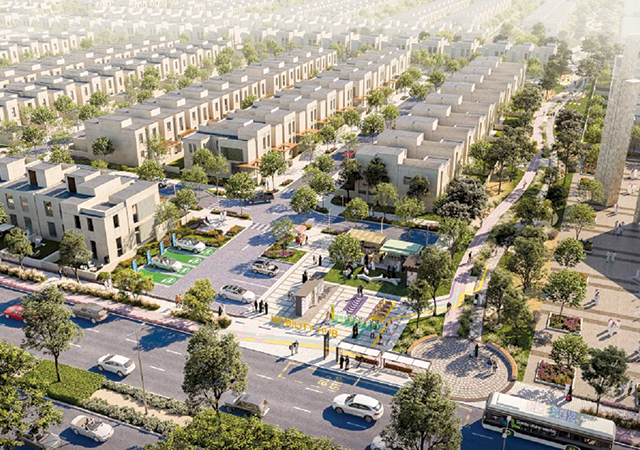
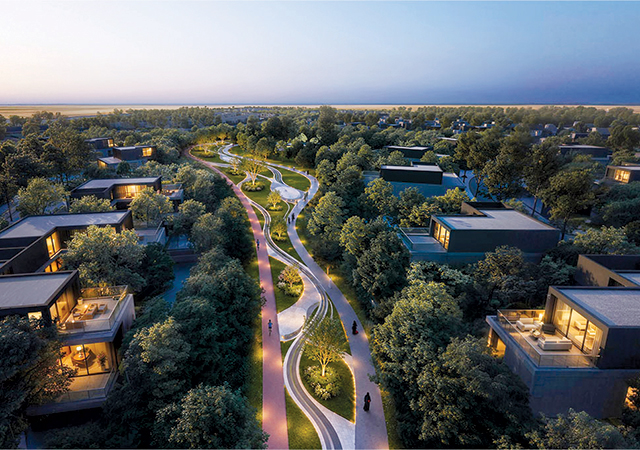
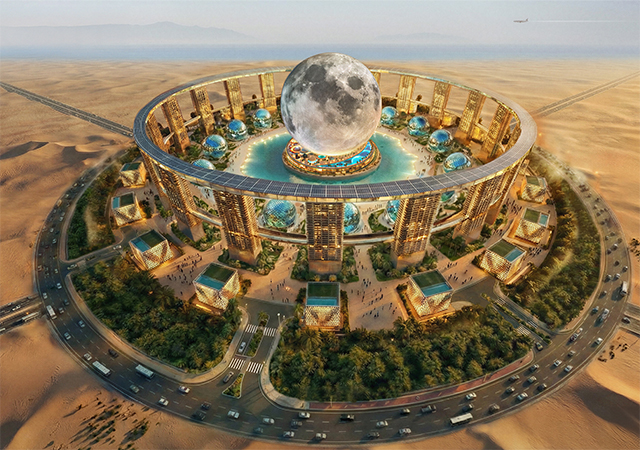


De Sousa Holdings unveiled a masterplan for "a city of the future" in the UAE that integrates urban infrastructure and facilities inspired by Emirati heritage.
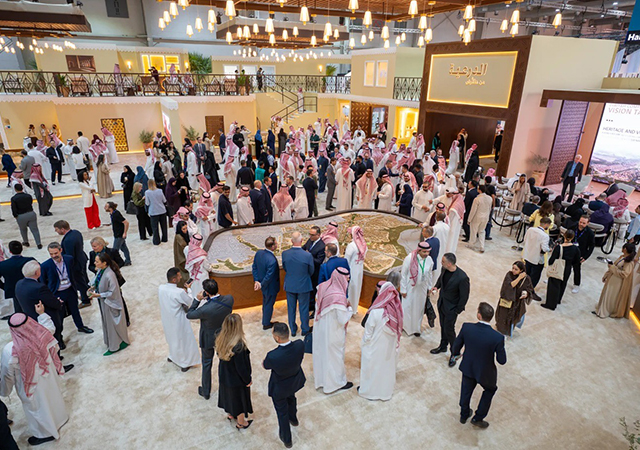
Presenting the 25-year development vision on the opening day of the International Real Estate & Investment Show (IREIS 2026), yesterday (November 10) at ADNEC Centre in Abu Dhabi, De Sousa Holdings said the plan integrates urban infrastructure and facilities inspired by Emirati heritage.
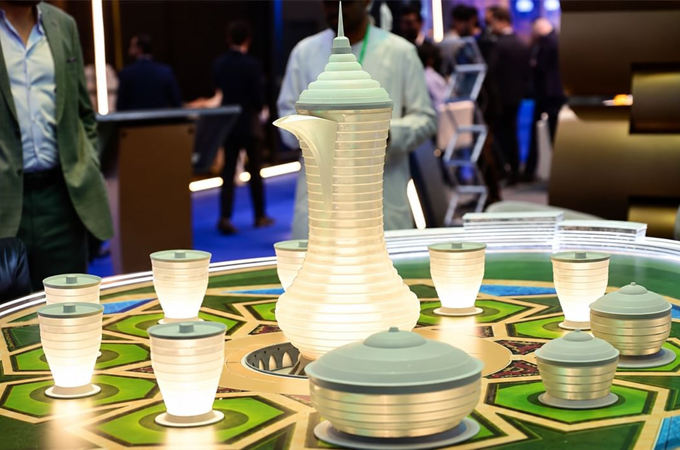
The central design draws inspiration from the UAE dirham, featuring an observation tower shaped like the number "1" and a traditional Arabic coffee pot, or dallah, it stated.
“The tower, planned for an island overlooking the Abu Dhabi Corniche, would offer panoramic views of the city and its development, while the dallah would house a five-star hotel celebrating Emirati hospitality,” said Edgar Gerson, Architect, Founder and President of De Sousa Holdings while speaking to the Emirates News Agency (WAM).
The project, which was developed over 25 years, embraces the concept of "profit from happiness", combining economic returns with quality of life, sustainability and the needs of future generations, he noted.
He explained that the clock-shaped masterplan would allow residents and visitors to navigate using clock positions and building numbers without GPS, with roads connecting different areas to the city centre.
“The dallah would feature seven coffee cups representing the UAE's seven emirates and symbolising national unity. The design draws on Emirati culture, Bedouin heritage and traditional coffee hospitality,” he noted.
The city would extend approximately 20km east to west and 18km north to south. Its central complex would include two sugar bowls and a date bowl, accommodating conference centres and wedding halls, while the surrounding tray would form a shopping mall.
He said the masterplan incorporates electricity, water, internet connectivity, sewerage, waste management, recycling and other essential services.
“The road network and distribution of facilities were designed to minimise congestion and travel times, improve productivity, reduce energy consumption and allow families more time together, while accommodating future population growth,” he added.