









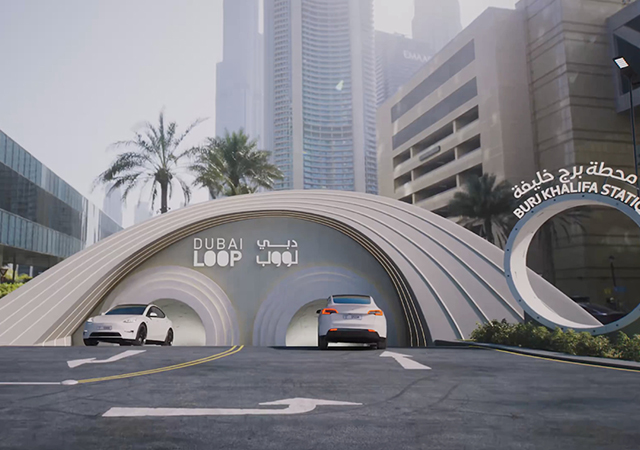
When the World Governments Summit convened in Dubai last month, it provided the backdrop for a tunnelling announcement that could set a new benchmark for urban infrastructure delivery across the Gulf as well as redefine first-and-last-mile connectivity in one of the world’s fastest-growing urban economies.
Dubai’s Roads and Transport Authority (RTA) signed a landmark agreement with US-based The Boring Company, a specialist in advanced tunnel systems and innovative passenger transport solutions, to begin construction on Dubai Loop, an underground passenger transport tunnel network that promises to transfer commuters across the city’s most congested corridors at speeds and costs that conventional infrastructure cannot match.
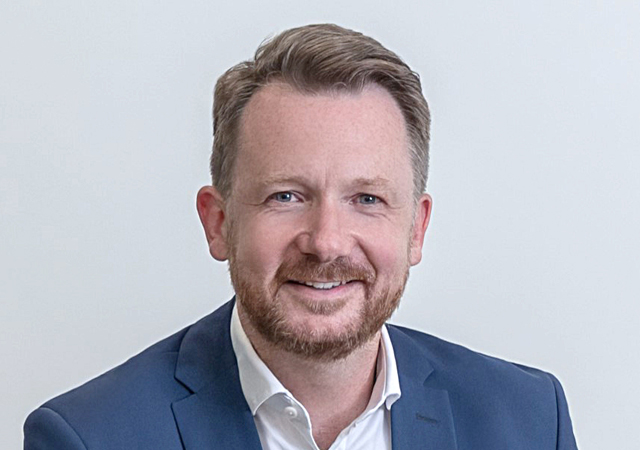
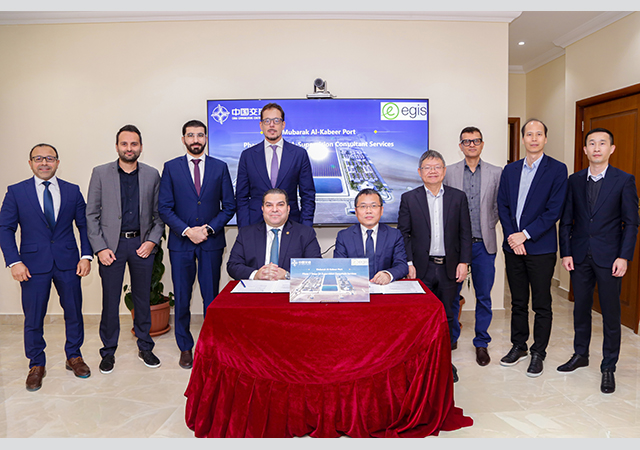
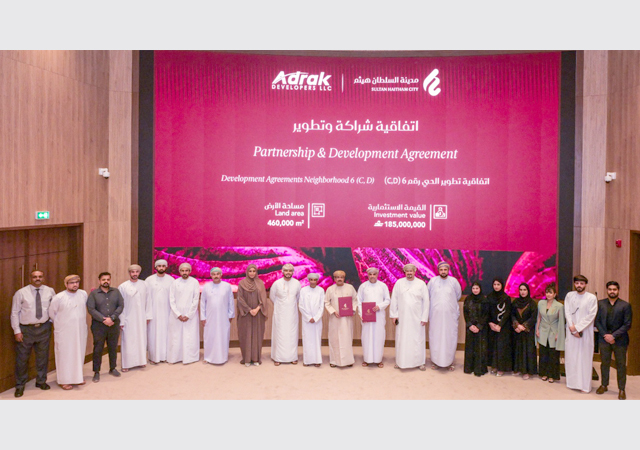
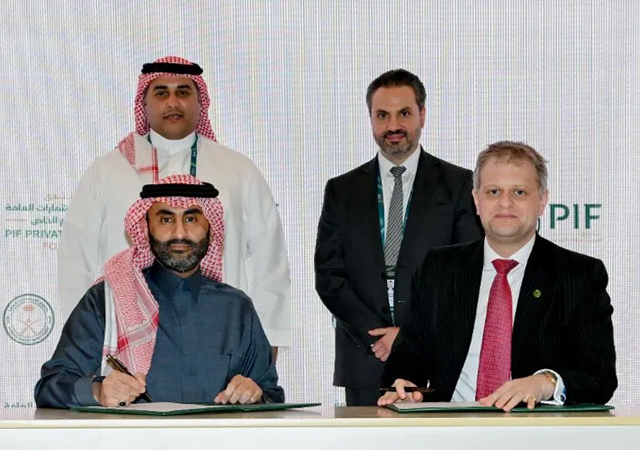
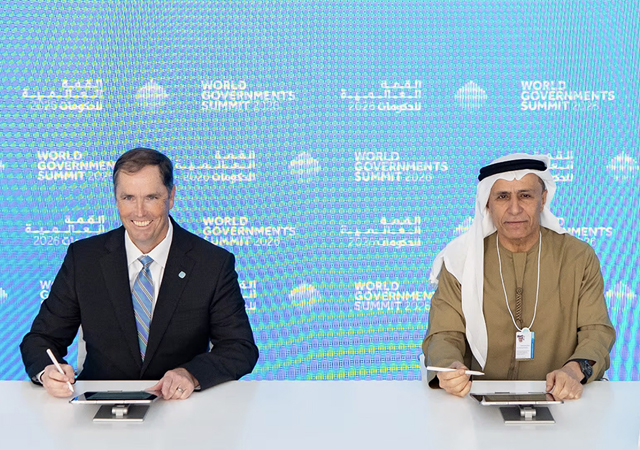
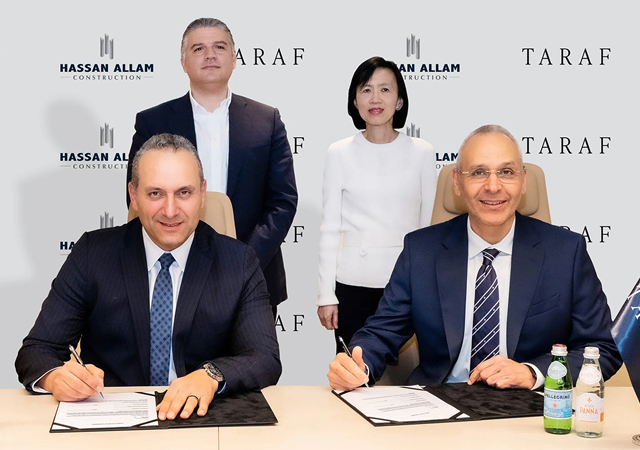
The partnership, formalised by Mattar Al Tayer, Director General, Chairman of the Board of Executive Directors of the RTA, and James Fitzgerald, The Boring Company’s Global Vice President of Business Development, marks the transition of the Dubai Loop from feasibility study to live project. A year ago at the same summit, the two organisations agreed to explore the concept.
According to The Boring Company, the firm and RTA will now finalise the design while beginning mobilisation activities. In parallel, it will seek approval for about 48 permits and No Objection Certificates (NOC) from about 10 different entities with the goal of beginning tunnelling in the second half of 2026.
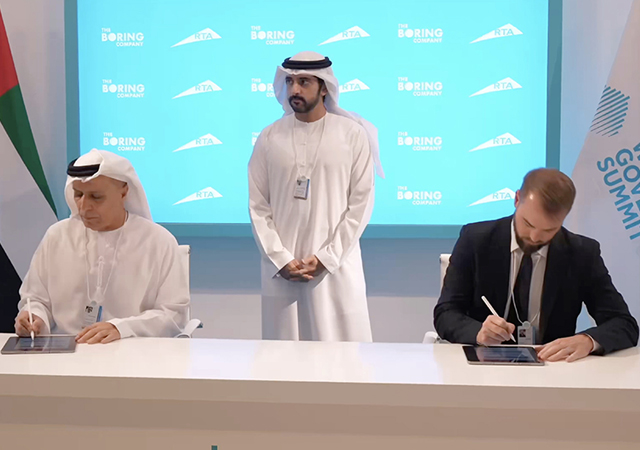
Al Tayer and Fitzgerald sign the landmark agreement.
A Pilot Route
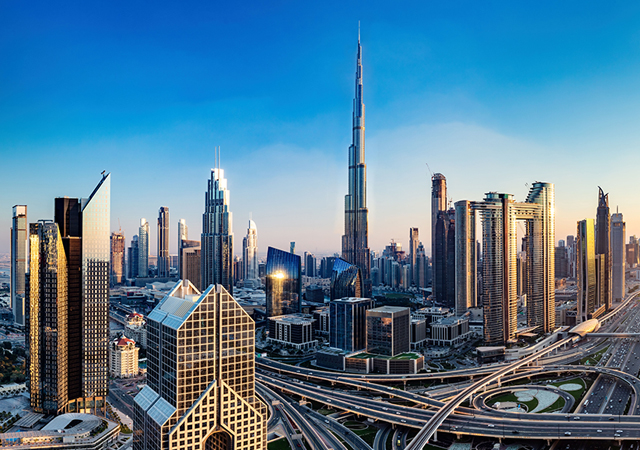
The project launches with a 6.4-km pilot route connecting the Dubai International Financial Centre (DIFC) with Dubai Mall – one of the city’s most heavily trafficked corridors – served by four stations. The first phase carries an estimated price tag of AED565 million ($153.85 million) and is expected to be delivered in approximately one year following the completion of design works and required preparations. That timeline, if met, would represent a remarkable pace for urban tunnelling infrastructure of this scale.
The ambition, however, extends well beyond the pilot. The full Dubai Loop alignment stretches 22.2 km and incorporates 19 stations, connecting Dubai World Trade Centre and the financial district with Business Bay. Total project cost for the complete route is estimated at around AED2 billion, with a three-year implementation window anticipated.
Crucially, however, this is not a road tunnel that private motorists can drive through. According to Gulf News, The Dubai Loop will operate as a people mover system, focusing on first- and last-mile journeys while bypassing surface congestion. Electric vehicles will carry passengers through dedicated underground tunnels, with trips starting only from designated stations. Private cars will not enter the system.
The vehicles operating within the system are expected to be Tesla electric cars, deployed as a shuttle service rather than a self-drive facility. Autonomous electric vehicles are expected to be introduced in later phases, pending operational experience and regulatory approvals.
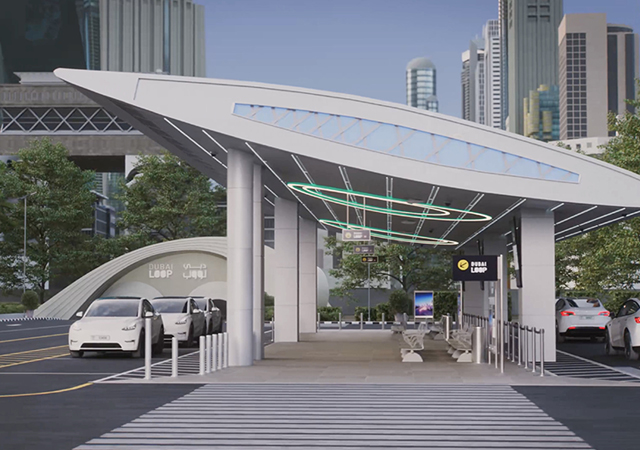
The project launches with a 6.4-km pilot route connecting the Dubai International Financial Centre (DIFC) with Dubai Mall – one of the city’s most heavily trafficked corridors – served by four stations.
The Engineering Proposition
At the heart of the project is The Boring Company’s signature approach to tunnelling: smaller-diameter bores, proprietary machinery, and a methodology engineered to drive down both cost and construction timescale while minimising disruption to surface roads and buried utilities.
Dubai Loop’s tunnels will be bored to a diameter of 3.6 m – significantly narrower than conventional metro tunnels – and dedicated to vehicle transport.
During the preparatory study phase, the RTA supplied the company with geotechnical data, utility mapping, structural information and environmental risk assessments as well as the specifications and standards adopted for transport systems in Dubai – the basic intelligence tunnelling contractors require before committing to an alignment. The Boring Company, working alongside international consultancies and under financial and legal supervision, used that data to develop technical studies, safety submissions and development details related to the system and the proposed alignments, with the aim of identifying the optimal partnership model for the project.
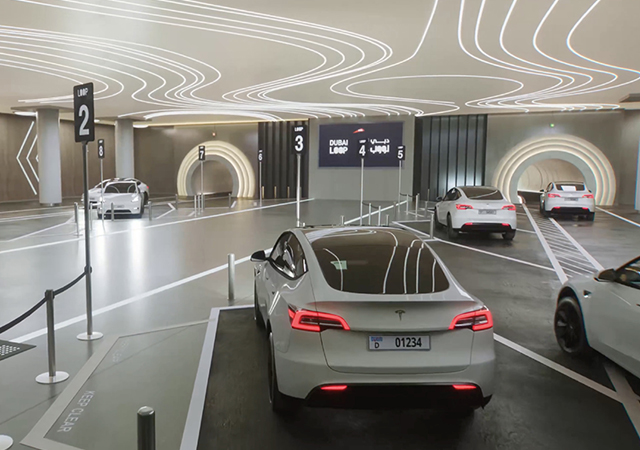
The vehicles operating within the Dubai Loop system are expected to be Tesla electric cars, deployed as a shuttle service.
Capacity and Integration
Al Tayer described the project as “a qualitative addition to Dubai’s transport ecosystem, as it enhances integration between different mobility modes and provides flexible and efficient first- and last-mile solutions.
“Studies have demonstrated the project’s efficiency in terms of capacity and operating costs, with the pilot route expected to serve around 13,000 passengers per day, while the full route is projected to have a total capacity of approximately 30,000 passengers per day,” he says.
In dense urban environments where land acquisition and surface disruption make conventional infrastructure prohibitively complex, the economic case for deep, narrow-bore tunnelling becomes considerably more compelling.
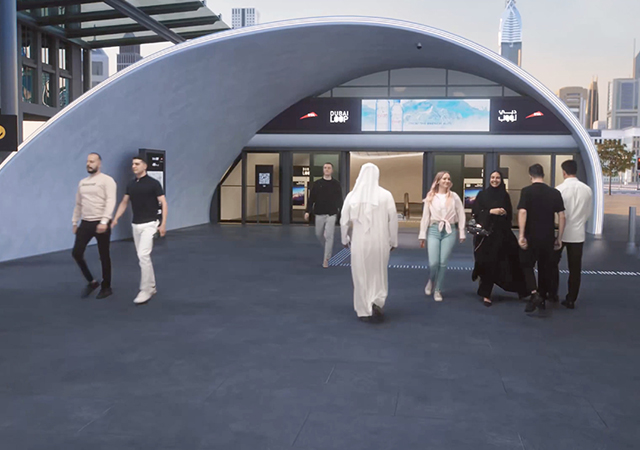
The pilot route is expected to serve around 13,000 passengers per day.
Strategic Intent
For Dubai, the project carries significance beyond its engineering credentials. The emirate has consistently positioned itself as an early adopter of mobility technologies – autonomous vehicles, hyperloop studies, air taxis – and Dubai Loop fits squarely within that narrative. The RTA’s willingness to move from agreement to implementation within 12 months of initial study signals institutional commitment.
The Boring Company, meanwhile, gains one of its highest-profile international deployments to date, in a city whose infrastructure projects command global attention.
Steve Davis, the company’s President, described the partnership as an opportunity to deliver solutions “that support Dubai’s vision for sustainable and future mobility” – language that aligns with the emirate’s longer-term urban planning ambitions.
As design works progress and preparatory activities get under way, the construction industry will be watching closely. If Dubai Loop delivers on its timeline and cost projections, it may well offer a template that other Gulf cities – and indeed cities far beyond the region – find difficult to ignore.