




















































The market for fire safety equipment in the GCC is projected to reach $3.2 billion by 2034, fuelled by a massive infrastructure push and tightening safety regulations in Saudi Arabia, according to a new report by business intelligence firm The Report Cube.
The regional market, valued at $1.91 billion in 2025, is expected to grow at a compound annual growth rate (CAGR) of 5.93 per cent over the next nine years, the report stated.
The fire safety equipment market across the GCC is gaining strategic prominence as the region accelerates investment in urban development, industrial capacity, and critical infrastructure.
Fire protection is increasingly regarded as a core pillar of risk management and asset protection across the GCC.
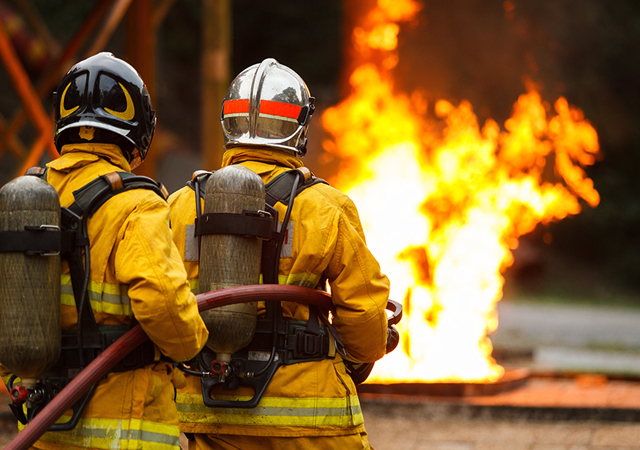
With the rising need for effective fire safety and rapid incident response, GCC states are strengthening fire and life safety frameworks in response to increasing population density, high-value developments, and complex building designs. These governing shifts are driving demand for a broad range of fire detection, suppression and life safety equipment, from alarms and extinguishers to advanced firefighter PPE.
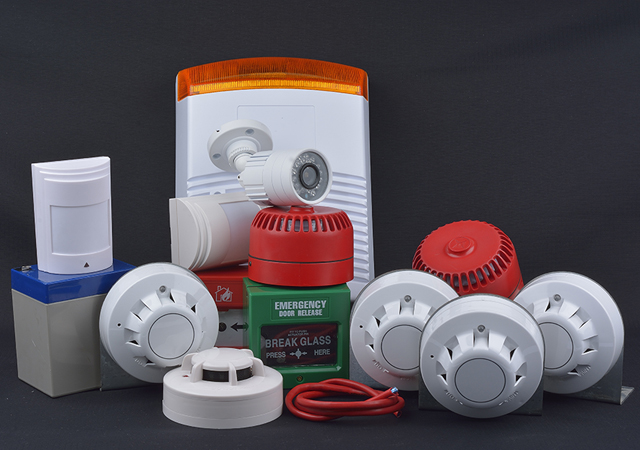
Fire detection and suppression systems remain the largest market segments.
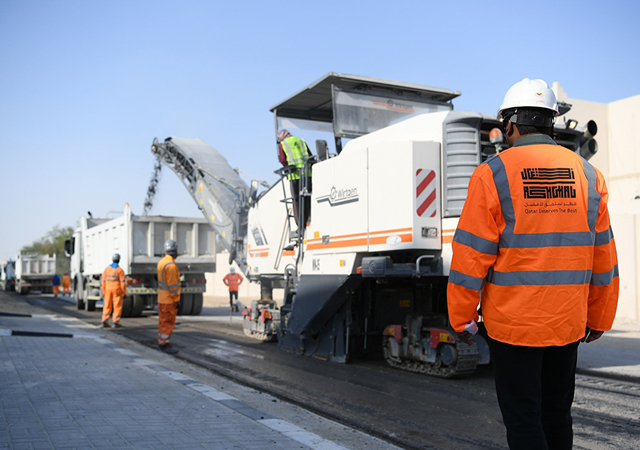
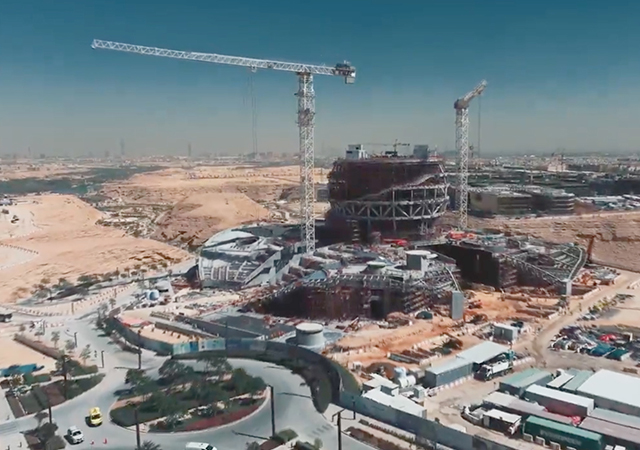
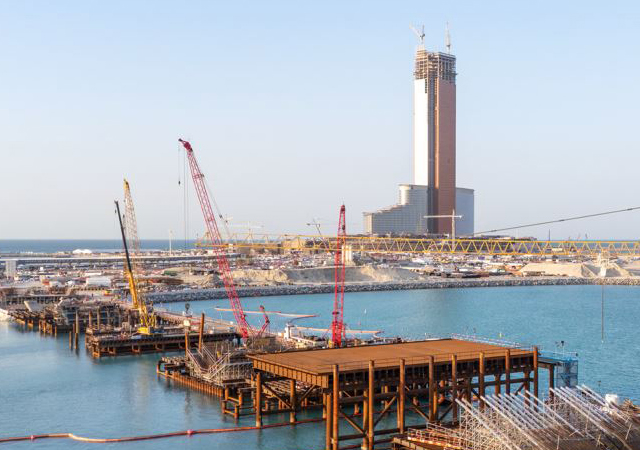
Saudi Arabia has emerged as the primary engine of this growth, currently commanding approximately 42 per cent of the total regional market share. Analysts attribute this dominance to the kingdom’s Vision 2030 giga-projects and a surge in industrial and commercial construction that mandates state-of-the-art fire suppression and detection systems.
“Infrastructure expansion remains the critical lever for the fire safety sector in the Middle East,” the report noted, highlighting that stringent government mandates are forcing a shift from basic compliance to advanced, integrated safety solutions.
The study segments the industry into several key product categories and end-use sectors: Fire detection and suppression systems remain the largest segments, followed by sprinklers, hydrants, and personal protective equipment (PPE).
The oil and gas and industrial sectors continue to be high-value consumers due to the high-risk nature of their operations. However, the commercial and healthcare sectors are seeing increased investment as new “smart cities” integrate fire safety into building management systems.
While Saudi Arabia leads, the UAE and Qatar follow closely, driven by urban development and high-rise safety requirements.
According to The Report Cube, companies are increasingly focusing on “smart” technologies, including IoT-enabled sensors and automated response systems, to meet the sophisticated demands of the region's new infrastructure.
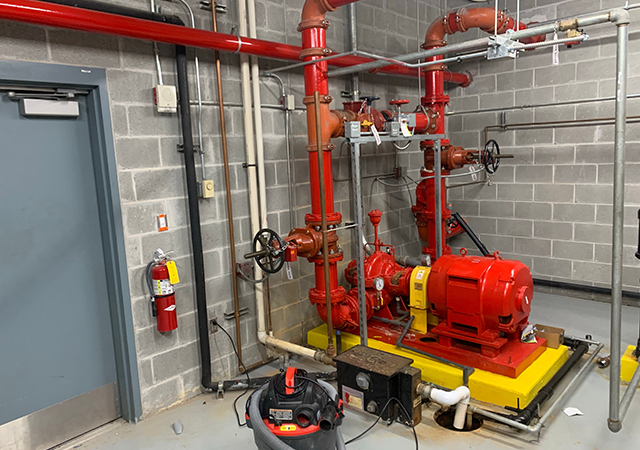
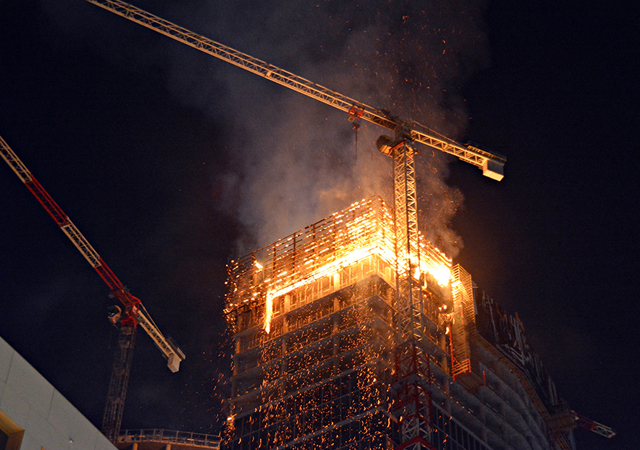
Stringent government mandates are forcing a shift from basic compliance to advanced, integrated safety solutions.
The GCC fire safety equipment landscape is transitioning toward digitally-enabled fire protection systems. Smart sensors, automated alerts, networked detection units, and system incorporation with building management platforms are enhancing response accuracy and minimising incident escalation. Such solutions are crucial for large commercial assets, industrial plants, and mixed-use developments where early detection and system coordination are essential.
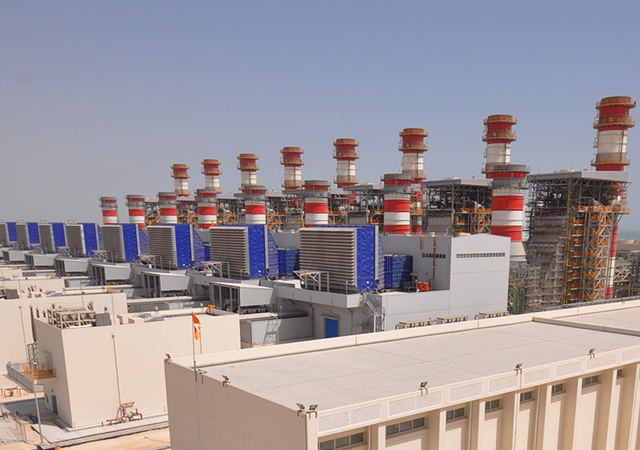
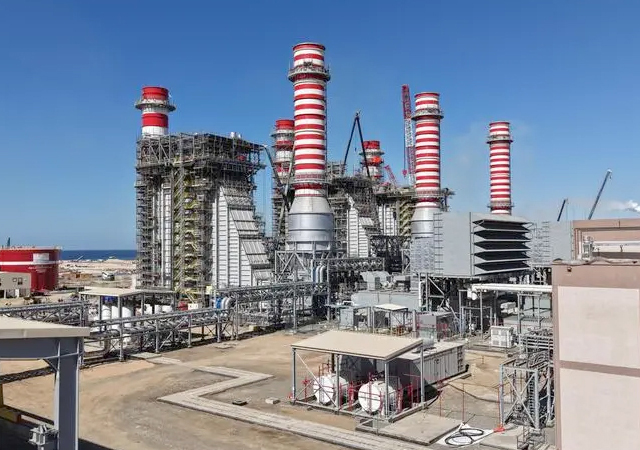
While commercial buildings remain a key application area, sectors such as petrochemicals, power generation, oil and gas, transportation, and healthcare are progressively prioritising specialised fire suppression technologies designed for high-risk operating environments.
Looking ahead, government policies are forecast to play a pivotal role in transforming industry direction. Ongoing updates to civil defence standards, compulsory inspections, digital approval processes, and stringent enforcement mechanisms are progressively harmonising fire safety practices across the region. In parallel, sustainability-driven construction policies and resilience planning are driving wider adoption of energy-efficient, intelligent and low-maintenance fire protection systems.
As regulatory oversight strengthens and technology adoption accelerates, the GCC fire safety equipment market is moving towards integrated, automated and future-ready safety ecosystems, aligned with the region’s broader push for safer cities, operational continuity and long-term infrastructure resilience.